Reaching the Top Ranks in Competitive Gaming

“Dominate the leaderboards, become a legend.”
Reaching the top ranks in competitive gaming requires a blend of mechanical skill, strategy, communication, and perseverance. Players must master game mechanics, understand the current meta, and adapt quickly to changes. Regular practice, performance analysis, and teamwork are essential for climbing the ladder. Furthermore, maintaining a positive mindset and managing stress are key factors for success in the intense environment of competitive gaming.
Essential Strategies for Improving Your Rank
To reach the highest ranks in competitive gaming, it is crucial to develop a set of well-defined strategies and apply them consistently. The first step is grasping the core mechanics of the game. This includes not only the basic rules but also the nuances and subtleties that can mean the difference between a win and a loss. An in-depth knowledge of the game empowers you to make informed decisions and anticipate your opponent's next move.
Once you have a solid understanding of the game's mechanics, it is essential to focus on honing your individual skills through regular, targeted practice. For example, if you are playing a first-person shooter, you might spend time perfecting your aim and reaction time. Similarly, in a strategy game, you could work on resource management and long-term planning. Practice shouldn't be random; it must be structured and oriented toward specific goals.
Alongside improving individual skills, it is equally important to develop communication and teamwork. In many competitive games, team coordination is a deciding factor for success. Clear and effective communication can transform an average squad into an exceptional one. Therefore, playing regularly with the same teammates is highly recommended to build synergy and mutual understanding.
Analyzing your past matches is another essential strategy for boosting your rank. By reviewing your previous performances, you can identify weaknesses and work to correct them. Many games offer replay tools that allow you to watch past matches and analyze decisions made at pivotal moments. This review process can be even more beneficial when done as a group, as teammates can offer different perspectives and constructive feedback.
Furthermore, staying informed about game updates and patch notes is critical. Developers frequently tweak game mechanics to balance the strengths and weaknesses of characters or units. Keeping up with these changes allows you to adapt your strategies accordingly and remain competitive. Following message boards, blogs, and videos from professional players can provide valuable insight into emerging trends and best practices.
Managing stress and pressure is also a crucial aspect of reaching the top tiers. Competitive gaming can be intense and stressful, making it easy to become overwhelmed by emotion. Learning to stay calm and focused, even in challenging situations, can vastly improve your performance. Relaxation techniques, such as deep breathing or meditation, can be useful for maintaining a positive, clear-headed mindset.
Finally, it is important to set realistic goals and celebrate small victories along the way. Reaching the highest ranks is a long and demanding process, and it is easy to get discouraged if progress feels slow. By setting short-term goals and acknowledging incremental improvements, you can maintain your motivation and keep pushing toward your ultimate objective.
In summary, reaching the top ranks in competitive gaming requires a combination of deep game knowledge, individual skill improvement, effective communication, performance analysis, constant learning, stress management, and realistic goal setting. By applying these strategies consistently, you can maximize your chances of success and climb the competitive ladder.
The Importance of Team Communication
In the world of competitive gaming, reaching the top ranks doesn't rely solely on individual skill. Indeed, team communication plays a crucial role in collective success. Effective coordination and a well-defined strategy can often mean the difference between victory and defeat. To understand the importance of team communication, we must examine several key aspects that contribute to peak performance.
First and foremost, communication allows players to share information in real time. In a fast-paced, dynamic gaming environment, every second counts. Players must be able to quickly relay information about enemy positions, strategic movements, and shifts in the flow of the game. For instance, in a first-person shooter, calling out a hidden enemy's location can save a teammate's life and give your squad the upper hand. Therefore, clear and concise communication is essential for maintaining situational awareness and reacting appropriately to changing circumstances.
Furthermore, team communication fosters cohesion and synergy among members. A well-coordinated squad, where every player understands their role and the expectations of others, is more likely to function as a cohesive unit. This cohesion is often the result of continuous, open dialogue, where teammates can voice their ideas, ask questions, and provide constructive feedback. As a result, strong communication builds mutual trust and allows the team to leverage individual strengths to achieve a shared goal.
Moreover, team communication is vital for developing and executing complex strategies. Modern competitive games frequently demand sophisticated game plans that must be adjusted on the fly. A team capable of discussing and tweaking its strategies in real time holds a significant advantage over its opponents. In a real-time strategy game, for instance, the ability to coordinate simultaneous attacks across multiple fronts can disorient the enemy and lead to a decisive victory. Thus, communication enables you not only to plan ahead but also to adapt your strategies to the needs of the moment.
Additionally, effective communication makes it easier to manage conflicts and tensions within the team. Disagreements and misunderstandings are inevitable in a highly competitive environment, but they can be resolved quickly if team members are able to discuss issues openly and respectfully. Healthy communication helps clarify expectations, settle disputes, and maintain a positive team dynamic. This is especially critical during moments of intense stress, where pressure can exacerbate tensions and ultimately sabotage the team's performance.
Finally, team communication contributes to continuous learning and improvement. After each match, a collective performance review helps identify strengths and areas for improvement. Post-match discussions offer a valuable opportunity to share insights, propose solutions, and strengthen each member's skills. Ultimately, a team that communicates effectively is better equipped to evolve and adapt to future challenges.
In short, team communication is a fundamental pillar for reaching the highest ranks in competitive gaming. It allows players to share crucial information, strengthen team cohesion, develop effective strategies, manage conflicts, and foster continuous learning. By investing in high-quality communication, teams can maximize their potential and climb to the top of the leaderboards.
Optimizing Your Gaming Environment for Peak Performance
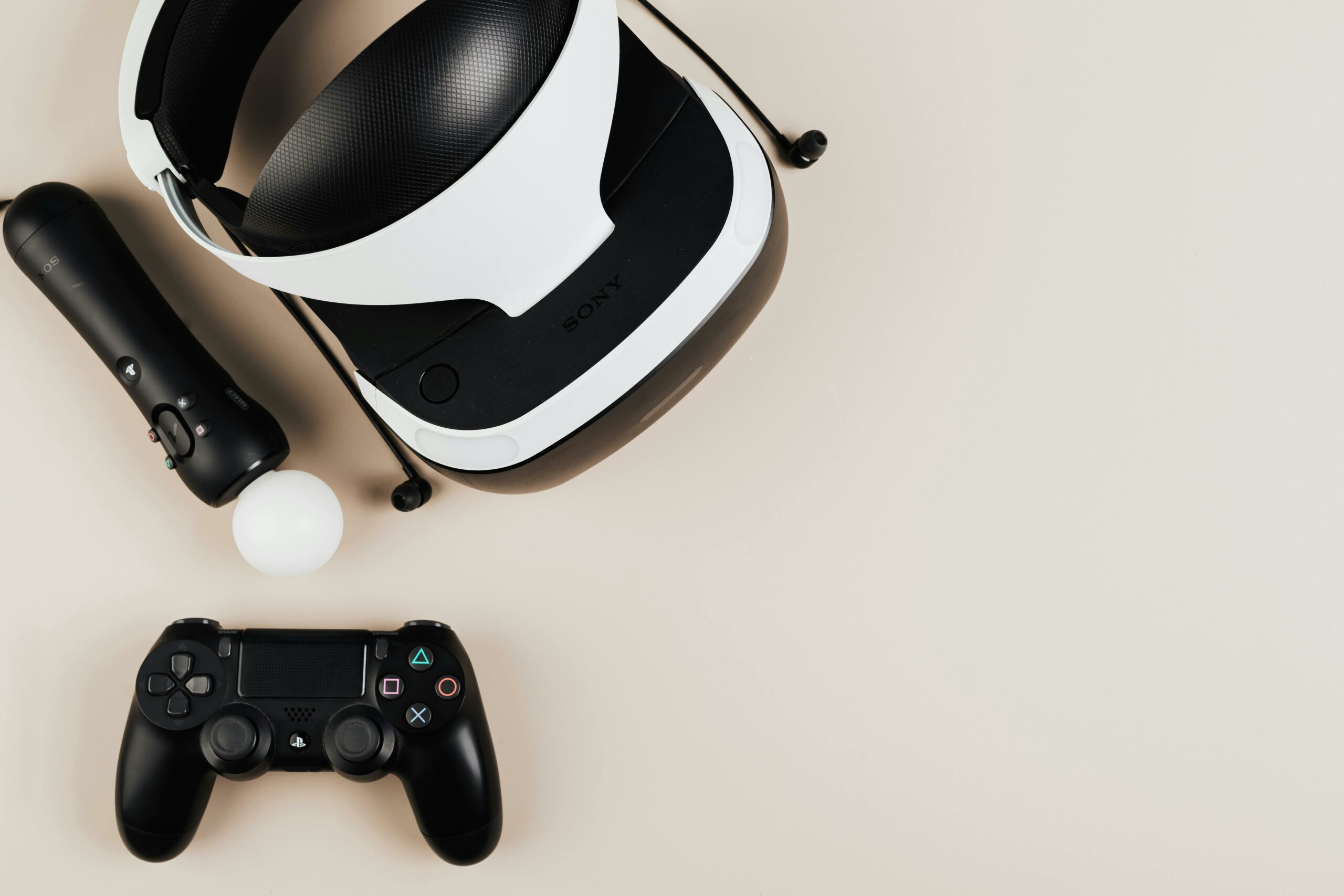
To achieve the top ranks in competitive gaming, optimizing your gaming environment is crucial for maximizing performance. A well-designed setup can mean the difference between a resounding victory and a frustrating defeat. The first step in creating an optimal gaming space is choosing the right hardware. A high-performance PC or console, a monitor with a high refresh rate, and quality peripherals like an ergonomic mouse, keyboard, or controller are essential. These elements not only reduce latency but also improve precision and responsiveness—key determining factors in competitive gaming.
Beyond hardware, the ergonomics of your gaming space play a vital role. A comfortable chair and a desk at the correct height can prevent pain and fatigue, allowing you to play longer and more efficiently. It is also important to maintain good posture to avoid long-term injuries. A well-lit environment, ideally with natural light, can reduce eye strain and improve your focus. Furthermore, your gaming space should be organized so that you can easily access everything you need without having to get up or search around.
Time management is another frequently overlooked yet crucial aspect of optimizing your performance. Establishing a regular schedule for your gaming sessions can help you maintain a healthy balance between gaming and other important activities, such as work, studies, or social relationships. Taking regular breaks is also essential to stave off mental and physical fatigue. During these breaks, stretching or relaxation exercises can be highly beneficial for keeping your body and mind in top shape.
The quality of your internet connection is another deciding factor in competitive gaming. A fast and stable connection reduces lag and interruptions, allowing you to play under optimal conditions. It may be worthwhile to invest in a high-quality router and to favor a wired connection over Wi-Fi to minimize the risk of disconnects or latency spikes. Additionally, closing bandwidth-heavy background applications and services can further improve your connection quality.
Finally, it is important not to neglect the mental aspect of competition. Focus, stress management, and resilience are essential skills for succeeding in competitive games. Meditation or mindfulness techniques can help you stay calm and centered, even during high-pressure moments. Moreover, analyzing your performance and learning from your mistakes enables continuous improvement. Participating in gaming forums or communities can also provide valuable learning opportunities and support.
In conclusion, optimizing your gaming environment for peak performance requires a holistic approach that considers hardware, ergonomics, time management, internet connection quality, and mental preparation. By investing time and resources into these areas, you can create a setup that not only enhances your performance but also makes your gaming experience more enjoyable and sustainable.
Analyzing and Learning From Your Past Games
Analyzing and learning from your past matches is a crucial step in reaching the top tiers of competitive gaming. This practice not only helps you understand your mistakes but also allows you to identify areas for improvement and refine your strategies. First and foremost, it is essential to review your games with a critical eye. This means being honest with yourself and acknowledging the moments you made mistakes. For example, if you lost a match due to poor decision-making, it is important to understand why that decision was made and how you can avoid repeating the error in the future.
Next, it is highly beneficial to take detailed notes on the specific aspects of your gameplay that need work. This could include elements like resource management, communication with teammates, or the speed and precision of your mechanics. By recording these observations, you create a clear roadmap for your progression. Furthermore, these notes can serve as a reference point during future gaming sessions, allowing you to focus on specific, targeted goals.
Additionally, it is useful to compare your performance against that of high-level players. By observing how the experts handle similar situations, you can pick up new techniques and strategies. You can draw these comparisons by watching gameplay videos, reading guides, or participating in discussion forums. By integrating this new knowledge into your own playstyle, you will progressively elevate your skill level.
Moreover, it is important not to overlook the mental aspect of the game. Competitive gaming can be stressful, and maintaining a positive, resilient attitude is key. Reviewing your past matches should be a constructive experience, not a source of frustration. If you focus solely on your mistakes without acknowledging your successes, you risk becoming discouraged. Therefore, it is equally important to celebrate your progress and recognize the moments when you played well.
Furthermore, discussing your games with other players can be incredibly helpful. External feedback can offer fresh perspectives and valuable advice. By joining a gaming community, you can exchange ideas, ask questions, and receive constructive criticism. This social interaction can also bolster your motivation and deepen your commitment to the game.
Finally, it is vital to put what you have learned into practice. Analysis and learning are only effective if you actively apply that knowledge in your future matches. This might require stepping out of your comfort zone and trying new strategies, even if it means taking risks. With time and practice, these newly acquired skills will become second nature, bringing you one step closer to the top ranks.
In conclusion, analyzing and learning from your past matches is an essential step toward progressing in competitive gaming. By adopting a methodical approach and remaining open to continuous improvement, you can turn your weaknesses into strengths and climb to the top of the leaderboards.
Managing Stress and Pressure in Competition
Managing stress and pressure during a competition is crucial for reaching the top ranks in competitive gaming. In fact, the ability to stay calm and focused under pressure can often be the deciding factor between victory and defeat. To begin with, it is essential to understand that stress is the body's natural response to situations perceived as threatening or demanding. In the context of competitive gaming, this response can be triggered by various factors, such as the stakes of the match, personal or teammates' expectations, and the fear of failure.
To effectively manage stress, developing a pre-competition routine is paramount. This routine can include activities like deep breathing exercises, meditation, or even light stretching. These practices help calm the mind and prepare the body for performance. Furthermore, visualizing positive gameplay scenarios is highly beneficial. Visualization allows you to mentally familiarize yourself with potential in-game situations, thereby reducing uncertainty and anxiety.
Moreover, maintaining a balanced perspective on competition is important. While the desire to win is natural, it is crucial to remember that every match is a learning opportunity. Adopting a growth mindset—focusing on continuous improvement rather than immediate results—can significantly alleviate the pressure you feel. Additionally, setting realistic and attainable goals is highly useful. Overly ambitious goals can amplify stress, whereas well-defined, incremental milestones provide a clear and motivating roadmap.
Communication with your teammates also plays a vital role in managing stress. Open and honest communication allows you to share concerns and find collective solutions. Furthermore, mutual support within the team can build confidence and reduce individual pressure. It is equally important to remember that mistakes are an integral part of the learning process. Rather than dwelling on past errors, it is far more constructive to focus on corrective actions and the lessons learned.
Additionally, time management is another crucial aspect of minimizing stress. Proper time management allows you to adequately prepare for competitions, thereby reducing feelings of being rushed or unprepared. It is also essential to take regular breaks to prevent mental and physical burnout. Overexertion can not only increase stress but also severely hinder your overall performance.
Finally, it is important to recognize the signs of excessive stress and to seek help if necessary. Talking to a coach, a mentor, or even a mental health professional can provide additional strategies for managing stress. Ultimately, handling stress and pressure in competition is an ongoing process that requires constant attention and effort. By adopting effective stress management practices, maintaining a balanced perspective, communicating openly with teammates, and managing your time wisely, you can create an environment conducive to peak performance and reach the top ranks in competitive gaming. Reaching the highest tiers in competitive games requires a combination of technical skills, strategic understanding, effective communication, and a growth mindset. Consistent practice, performance analysis, adapting to shifting metas, and collaborating with teammates are all essential. Resilience in the face of failure and the ability to learn from every experience also play crucial roles. In short, excellence in competitive gaming is the result of an unwavering commitment to both personal and collective improvement.