Mastering Inventory Management in RPGs
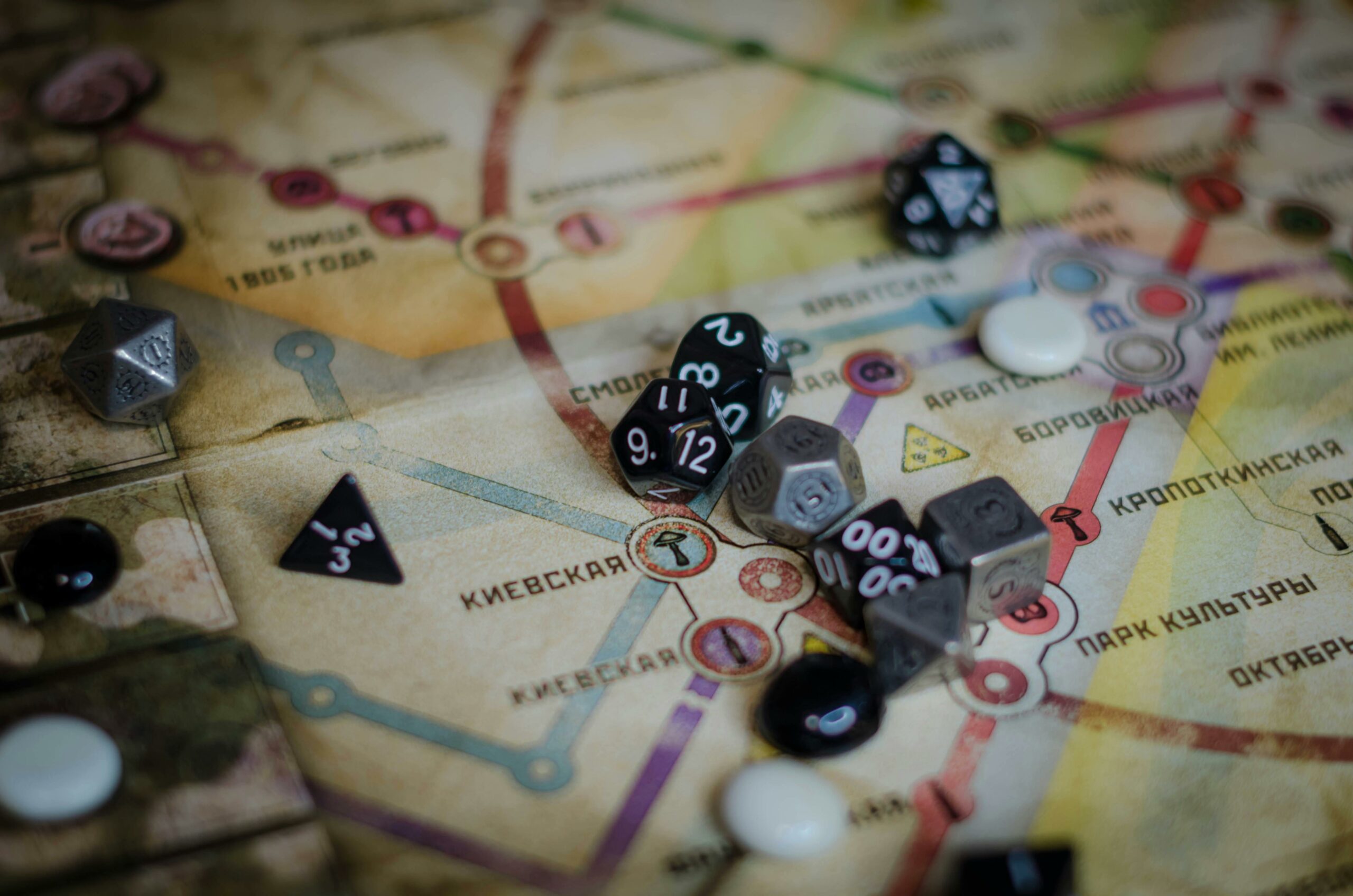
"Master your inventory, conquer your adventure!"
Effective inventory management in an RPG is essential for maximizing your character's efficiency and performance. This requires keeping items strictly organized, managing resources wisely, and having a deep understanding of what different situations demand. By optimizing how you use gear, consumables, and quest items, you not only improve your chances of success but also avoid the headache of a cluttered or poorly managed inventory. Good inventory habits also pave the way for better combat and exploration strategies, ensuring that vital resources are always right at your fingertips.
Optimizing Resource Usage
In the world of role-playing games (RPGs), inventory management is a vital skill that can heavily impact your gaming experience. Optimizing the resources at your disposal is key to maximizing your character's efficiency and pushing forward in your adventure. First, it’s important to recognize that every item in your pack has a specific value—whether utilitarian, strategic, or economic. Therefore, carefully evaluating each resource is necessary to determine its immediate or future usefulness.
One of the first steps to optimizing resource usage is categorizing items based on their utility. For instance, health potions and mana regeneration items are lifelines that need to be easily accessible. Conversely, quest items or crafting materials can be stashed away until they are actually needed. This categorization doesn't just keep your inventory tidy; it also cuts down on the time spent rummaging for items in the heat of battle or during critical moments.
Next, it is crucial to keep a regular eye on your inventory's status. Modern RPGs often feature sorting and filtering tools that make this task much easier. By making it a habit to check your inventory after every gaming session or major event, you can ensure you aren't hoarding useless junk. Plus, this practice allows you to sell or break down superfluous items, freeing up valuable space for more precious resources.
Resource management goes beyond simple inventory organization; it also involves making strategic decisions about item usage. For example, it might be tempting to immediately chug a rare healing potion during a tough fight. However, it’s often wiser to save these resources for even more perilous encounters. This approach requires constantly weighing risks against rewards, along with a solid understanding of your character's abilities and the challenges that lie ahead.
Furthermore, optimizing resources relies heavily on effective gear management. RPGs typically offer a plethora of weapons, armor, and accessories, each with specific stats. It is essential to equip items that best complement your character's skills and playstyle. Additionally, some games allow you to upgrade or enchant gear, adding an extra layer of complexity to resource management. Investing in these upgrades can pay off handsomely in the long run, but it requires careful planning and smart resource allocation.
Finally, it's important to stay flexible and adapt your strategy to the game's changing circumstances. RPGs are dynamic environments where challenges and opportunities constantly evolve. Because of this, a rigid approach to resource management can quickly become obsolete. By staying alert to new information and adjusting your inventory accordingly, you can maintain peak efficiency throughout your adventure.
Ultimately, managing your inventory well in an RPG requires a blend of planning, organization, and strategic decision-making. By optimizing resource usage, you don't just boost your character's performance—you also enrich your overall gaming experience. Effective inventory management is therefore a cornerstone to getting the absolute most out of your RPG adventure.
Prioritizing Essential Items
In the realm of role-playing games (RPGs), inventory management is a critical skill that can profoundly shape your gameplay experience. Effective management isn't just about hoarding loot; it involves making strategic choices about what to keep, sell, or discard. Prioritizing essential items is a fundamental step toward optimizing both your performance and your enjoyment of the game.
First and foremost, it is important to understand that every item in an RPG carries a specific value, be it utilitarian, monetary, or narrative. Utility items—like health potions, weapons, and armor—are often the most critical to your survival and success. Consequently, it's wise to always keep a healthy supply of these on hand. Healing potions, for instance, can mean the difference between life and death in a grueling fight. Likewise, high-quality weaponry and armor can drastically boost your chances of victory.
Next, you must consider the monetary value of your loot. Some items might lack immediate utility but can fetch a high price at a merchant, allowing you to purchase much-needed gear or resources. It's highly recommended to evaluate items based on their resale potential. However, it is crucial not to get so blinded by gold that you neglect utility items. A fine balance must be struck between holding onto useful gear and fencing superfluous loot.
Additionally, narrative items—though frequently overlooked—play a major role in progressing the story and developing characters. These can include letters, artifacts, or quest items that are essential for unlocking new missions or understanding the game's lore. It is imperative not to toss these aside without carefully evaluating their potential importance.
Managing inventory space is another crucial factor to consider. Most RPGs impose strict limits on carrying capacity or inventory slots. As a result, you have to make informed choices about what to keep and what to leave behind. A great habit is to regularly clean out your pack to ditch redundant or obsolete items. This not only frees up space but also keeps your inventory organized and easy to navigate.
Furthermore, it pays to anticipate future needs based on upcoming challenges. For instance, if you know you are about to face a particularly brutal boss, it’s smart to stock up on extra healing potions and items that temporarily buff your stats. Similarly, if a specific area of the game is notorious for its traps or tough enemies, gearing up appropriately beforehand can save you a lot of grief.
Finally, it’s worth remembering that inventory management is a skill honed through experience. Every player develops their own strategies and preferences based on their playstyle and the specific demands of the RPG. By taking the time to understand the game's mechanics and making thoughtful choices, you can transform inventory management from a tedious chore into a thrilling strategic element of your adventure.
In conclusion, prioritizing essential items in an RPG is a skill that requires constant evaluation and strategic decision-making. By balancing utility, monetary, and story items, efficiently managing your inventory space, and anticipating future needs, you can optimize your gameplay experience and maximize your chances of success.
Managing Storage Space Efficiently
Managing storage space efficiently in an RPG is a vital skill for any player looking to streamline their gaming experience. Smart inventory management not only maximizes available resources but also minimizes the frustration of a cluttered backpack. To start, it’s crucial to understand the limits of your storage space. Most RPGs restrict the number of items you can carry, whether through a strict weight limit or a fixed number of inventory slots. Knowing these boundaries will help you make informed decisions about what to keep and what to toss.
Once you have a clear understanding of your inventory constraints, the next step is prioritizing items based on their utility. Quest items, healing potions, and rare gear should always take precedence. Conversely, lower-tier items, like common crafting materials or low-value vendor trash, can be stored in a bank or sold off. This hierarchy will free up space for more valuable loot and prevent you from running out of essential resources in the heat of battle.
How you organize your inventory also plays a major role in storage management. Grouping similar items together makes it much easier to find exactly what you need at a glance. For instance, keep all your healing potions in one section, crafting materials in another, and gear in a third. This approach not only streamlines menu navigation but also lets you quickly spot surplus items or notice when you need to restock.
Furthermore, it is important to declutter your inventory regularly. Make it a habit to check your bags after every play session or upon completing a major quest line. This allows you to sell or stash useless items and make room for new acquisitions. Additionally, some RPGs offer auto-sort features or filters to help organize your stash more efficiently. Utilizing these tools can make managing your storage space infinitely easier.
Another factor to consider is the use of extra bags or storage chests. Many RPGs provide ways to increase your carrying capacity, whether by purchasing larger bags or using stash boxes located in player hubs. Investing in these upgrades pays off significantly in the long run, especially if you tend to hoard items for future quests or intensive crafting sessions.
Finally, don’t forget to take advantage of game-specific features to optimize your inventory. Some RPGs allow you to mark items as favorites, preventing them from being accidentally sold or dismantled. Other games feature shared stashes across your account, which is incredibly useful if you play multiple characters and need to transfer gear between them.
In summary, proper RPG inventory management requires a combination of understanding your limits, prioritizing items, maintaining a methodical organization, and making smart use of available resources. By adopting these habits, you will not only maximize your storage space but also elevate your overall gaming experience by eliminating the headache of a poorly managed inventory.
Utilizing Auto-Sort Systems
In the world of role-playing games (RPGs), inventory management is a crucial task that heavily impacts the gameplay experience. One highly effective way to optimize this process is by utilizing auto-sort systems. Often built into modern games, these systems allow players to quickly and efficiently categorize their items, cutting down on time spent staring at menus and maximizing time spent exploring and fighting.
Auto-sort systems offer several notable advantages. First and foremost, they keep your inventory neatly organized without requiring constant manual upkeep. For example, some games offer options to sort items by type, rarity, or value. This feature is particularly helpful in RPGs where you rapidly amass a massive variety of loot. By leaning on these systems, you can instantly locate exactly what you need, whether it's healing potions, weapons, or crafting materials.
Furthermore, auto-sort functions promote better resource management. Because carrying capacity is limited in most RPGs, you are often forced to make strategic choices about what to keep, sell, or discard. A cleanly sorted inventory highlights redundant or useless items at a glance, making these decisions much easier. For instance, if you notice a stockpile of underleveled weapons, you can quickly sell them off to free up space and earn some extra coin.
Moreover, these systems can often be customized to fit individual player preferences. Certain games feature advanced sorting options that let you define your own categorization parameters. You might choose to sort potions by descending power level or group crafting materials by element type. This level of customization refines the gameplay experience, allowing you to manage your inventory in whatever way feels most logical and efficient to you.
However, it’s important to note that relying on auto-sort systems shouldn't replace proactive inventory management. You still need to pay attention to the loot you pick up and the gear choices you make. An auto-sort button is a powerful tool, but it cannot substitute for your own judgment and strategy. For example, you should always inspect the stats and passive effects of new gear before equipping it, even if the sorting system flags it as high-quality.
In conclusion, automatic sorting systems are invaluable tools for inventory management in RPGs. They provide efficient organization, streamline resource management, and can be customized to meet individual players' needs. However, they should be used to complement proactive and strategic inventory management. By combining these two approaches, players can maximize their efficiency and fully enjoy their gaming experience.
Planning Your Buying and Selling
In the world of role-playing games (RPGs), inventory management is a crucial skill that can heavily influence your gameplay experience. Effective inventory management isn't just about hoarding items; it also involves strategically planning your purchases and sales. This approach not only optimizes your resources but also maximizes the performance of both your character and your party.
To begin with, it is essential to understand the specific needs of your character and your party. Every character has unique skills and weaknesses, and the items you buy should reflect these traits. For instance, a heavily armed warrior will benefit most from sturdy armor and powerful weapons, whereas a mage will rely on mana potions and spell scrolls. By identifying these needs, you can avoid impulsive, useless purchases that clutter your inventory and waste precious resources.
Once you have pinpointed your needs, it's crucial to prioritize purchases based on importance and urgency. Essential items, such as healing potions and basic gear, should be acquired first. After that, you can consider more specialized purchases to enhance your party's specific abilities. This prioritization ensures you are always prepared to face the game's challenges without ever being caught off guard.
At the same time, knowing when and what to sell is equally important. Useless or redundant items should be sold to free up inventory space and generate extra funds. However, it's wise not to hastily offload rare or unique items, as they could prove invaluable later in the game. A good rule of thumb is to regularly evaluate your inventory and make informed decisions about what to keep and what to pawn.
Financial resource management is another critical aspect of planning your buying and selling. It is always tempting to spend money as soon as you earn it, but a more strategic approach involves saving up for major, high-impact purchases. For example, saving up for a legendary weapon or a rare piece of armor can offer significant long-term advantages that far outweigh the benefits of several smaller purchases.
Furthermore, it pays to take advantage of the trading opportunities the game provides. Some RPGs feature fluctuating markets where item prices shift based on supply and demand. By monitoring these markets, you can buy low and sell high, steadily growing your wealth. While this strategy requires constant vigilance and a solid understanding of the game's economic mechanics, it can be incredibly lucrative.
Finally, it is important to remain flexible and adapt your strategy as the game evolves. Your party's needs may shift as you progress, and new challenges might require adjustments to how you manage your inventory. By staying attentive and tweaking your plans accordingly, you can ensure that your team is always well-equipped to tackle the obstacles ahead.
In short, planning purchases and sales in an RPG is a complex yet essential task. By understanding your party's needs, prioritizing purchases, wisely managing your finances, and remaining flexible, you can optimize your inventory and vastly improve your gameplay experience. Effective inventory management in an RPG is crucial for optimizing your character's performance and maximizing your chances of success. This entails regularly sorting and organizing items, selling or trading useless loot, and keeping only the most essential gear and resources. Efficient management frees up space for more valuable items, improves combat effectiveness, and leaves you better prepared for future challenges. Ultimately, good inventory management is an indispensable strategic skill for making steady progress in any RPG.