Esports

"Dominate the game, live esports."
Esports, or electronic sports, refers to competitive video gaming, typically structured through organized tournaments and leagues. This global phenomenon draws millions of players and spectators alike, with competitions broadcast live on platforms such as Twitch and YouTube. Major titles include League of Legends, Dota 2, and Counter-Strike: Global Offensive. Esports has evolved into a booming industry, complete with professional rosters, high-profile sponsorships, and massive prize pools. It has also achieved mainstream recognition, with major events selling out massive stadiums packed with passionate fans.
The Global Rise of Esports Competitions
The explosive growth of esports competitions around the world shows no signs of slowing down, capturing the attention of mainstream media, major sponsors, and an ever-expanding audience. This rapid expansion is driven by several key factors, namely technological advancements, widespread internet connectivity, and the surging mainstream appeal of video games. Today's cutting-edge technology has paved the way for increasingly sophisticated and immersive games, captivating a growing demographic of both players and viewers.
At the same time, enhanced internet connectivity has streamlined access to streaming platforms and online tournaments, allowing fans to follow their favorite teams and players in real time from anywhere in the world. This accessibility has also enabled competitors to train and face off against global opponents, significantly raising the overall level of play. Furthermore, social media and streaming giants like Twitch and YouTube have played an instrumental role in popularizing esports by offering unprecedented visibility to both the tournaments and the athletes.
Video gaming, once viewed as a mere pastime, has morphed into a full-fledged culture complete with its own norms, celebrity stars, and blockbuster events. Premier esports tournaments—such as The International for Dota 2, the League of Legends World Championship, and the Overwatch League—draw millions of online viewers and pack thousands of fans into live arenas. Because of their sheer scale and the fervent enthusiasm they generate, these events are frequently compared to traditional sporting championships.
Additionally, the growing involvement of sponsors and investors has been a catalyst for the industry's professionalization. Household brands like Coca-Cola, Red Bull, and Intel are investing heavily in teams, players, and events, bringing substantial financial backing and heightened legitimacy to the space. This shift toward professionalism is further reflected in the establishment of dedicated infrastructures, such as training academies, franchised teams, and official leagues, which provide players with viable career paths and optimal working conditions.
However, this rapid growth is not without its challenges. The regulation and governance of esports competitions have become major issues, as organizers strive to ensure fairness, transparency, and player safety. Moreover, managing the immense pressure and stress placed on competitors—who are often quite young—is a critical factor in safeguarding their mental health and ensuring career longevity within the industry.
Despite these hurdles, the future of esports looks incredibly promising. Initiatives aimed at integrating competitive gaming into educational curricula and promoting diversity and inclusion within the community are highly encouraging signs for the sector's continued evolution. Furthermore, ongoing innovations in virtual and augmented reality technologies could unlock entirely new frontiers for esports competitions, delivering experiences that are even more immersive and engaging.
Ultimately, the global ascent of esports reflects a profound shift in our relationship with video games and emerging technologies. Driven by a passionate community and powerhouse economic stakeholders, this phenomenon is well on its way to redefining the very landscape of entertainment and sports in the 21st century.
Top Esports Titles of 2023
The year 2023 marked a significant milestone in the evolution of esports, with several titles standing out for their massive popularity and impact on the global competitive circuit. Among these, a select few managed to captivate both players and spectators through innovative gameplay, strategic depth, and highly immersive experiences. When exploring the top esports games of 2023, it is essential to look at the underlying reasons for their success and the powerful draw they hold over the gaming community.
First and foremost, "League of Legends" continues to dominate the esports scene, backed by a fiercely loyal player base and massive international tournaments. Developed by Riot Games, the title has sustained its appeal through frequent updates and a meticulously structured competitive ecosystem. The League of Legends World Championship, simply known as Worlds, draws millions of viewers annually, cementing the game's status as a pillar of esports. Its strategic complexity, combined with a vast roster of champions and versatile playstyles, provides a level of depth that keeps both players and audiences hooked.
In parallel, "Counter-Strike: Global Offensive" (CS:GO) remains an absolute staple of competitive gaming. This first-person shooter, developed by Valve Corporation, is widely praised for its fast-paced gameplay and precise gunplay mechanics. CS:GO tournaments, particularly the Majors, rank among the most anticipated events of the year, attracting world-renowned rosters and devoted crowds. The CS:GO competitive scene is defined by fierce, long-standing team rivalries, which adds an extra layer of hype for the fanbase.
Another standout title of 2023 is "Valorant," also developed by Riot Games. Since its launch, Valorant has rapidly surged in popularity thanks to its unique blend of tactical gunplay and character-specific abilities. The game has successfully cultivated a dynamic competitive scene, featuring regular tournament circuits and dedicated professional rosters. The required mix of strategy, pinpoint accuracy, and flawless team coordination makes Valorant a premier choice for players looking to make their mark in esports.
Furthermore, "Dota 2" continues to shine brightly on the competitive circuit, anchored by its flagship tournament, The International. This real-time strategy game, developed by Valve Corporation, is renowned for its punishing mechanics and demanding gameplay. The International is famous for its staggering prize pools, which are largely crowdfunded by the player base, making it one of the most lucrative events in all of esports. The sheer strategic depth of Dota 2 and the absolute necessity for impeccable teamwork make it a thrilling challenge for professional competitors.
Finally, "Fortnite" remains a major player in the 2023 esports landscape. This battle royale sensation, developed by Epic Games, has captivated a massive audience with its dynamic gameplay and spectacular live events. Fortnite competitions, such as the Fortnite World Cup, attract competitors of all ages and offer substantial payouts. The game's unique ability to constantly reinvent itself through new seasons and pop-culture collaborations is key to sustaining the interest of both its player base and viewing audience.
In conclusion, 2023 was defined by a diverse array of video games that successfully made their mark on the esports scene. Each of these titles offers a unique experience, whether through strategic complexity, fast-paced gameplay, or their ability to unite a passionate community. As esports continues to grow, there is no doubt that these games will remain central to the evolution of this dynamic industry.
How to Become a Professional Esports Player
Becoming a professional esports player is a shared dream for countless video game enthusiasts. However, this path demands far more than basic gaming skills. It requires a combination of talent, dedication, strategy, and support. To begin, choosing the right game is essential. Specializing in a popular, competitive title like League of Legends, Dota 2, or Counter-Strike: Global Offensive can provide more opportunities thanks to the size of their communities and the sheer number of available tournaments.
Once you have chosen a game, practice becomes paramount. Professional players spend hours every day honing their skills. This intensive training not only helps master the game's mechanics but also develops lightning-fast reflexes and a deep understanding of strategy. Yet, practice alone isn't enough. It is crucial to surround yourself with a community of players who share your goals. Participating in forums, joining amateur teams, and competing in local tournaments can offer invaluable learning and networking opportunities.
At the same time, it is important to focus on continuous improvement. Analyzing your own performance as well as that of other pros can provide valuable insights. Watching streams and gameplay videos, along with reading strategy guides, are highly effective ways to grasp the nuances of the game. Furthermore, getting constructive feedback from teammates or coaches can help identify and address your weaknesses.
Physical and mental health also play a pivotal role in an esports career. Maintaining a regular exercise routine, adopting a balanced diet, and ensuring adequate sleep are essential elements for sustaining high performance. The stress and pressure of competition can be intense, making it vital to develop stress management techniques, such as meditation or yoga.
Once your skills and physical conditioning are locked in, it's time to get noticed. Competing in both online and offline tournaments, even smaller-scale ones, can provide valuable visibility. Streaming platforms like Twitch and YouTube also allow you to build an audience and catch the eye of sponsors and professional teams. An active and engaging online presence can be the deciding factor between remaining an amateur and making the leap to the pro level.
Financial support is another crucial aspect to consider. Starting out can be tough without a steady income. Seeking sponsorships, entering tournaments with cash prizes, and even applying for esports scholarships can help overcome financial hurdles. Additionally, some esports organizations offer contracts to promising players, providing both financial and logistical backing.
Finally, it is essential to stay informed about industry trends. The esports world is constantly evolving, with new game updates, shifting tournament rules, and rapid technological innovations. Being adaptable and maintaining a continuous willingness to learn are vital to staying competitive.
Ultimately, becoming a professional esports player is a demanding yet rewarding journey. With the right mix of skill, dedication, support, and strategy, it is entirely possible to turn a passion for video games into a thriving career.
The Impact of Esports on Player Mental Health
The explosive rise of esports over the past few decades has transformed the entertainment and sports landscapes. This global phenomenon, which draws millions of viewers and generates massive revenues, has also sparked growing interest in its effects on players' mental health. Indeed, the intensive practice of competitive gaming can have significant repercussions on the psychological well-being of its participants. It is therefore crucial to examine the various facets of this impact to better understand the challenges and opportunities it presents.
First and foremost, it must be acknowledged that esports, like any competitive activity, can generate considerable stress. Professional players are frequently subjected to grueling training schedules, high performance expectations, and relentless pressure to succeed. This environment can lead to heightened anxiety, sleep disorders, and, in some cases, burnout. Online competitions, where a single mistake can be fatal, exacerbate this tension, making stress management a major issue for players.
However, it would be reductive to focus solely on the negative mental health impacts of esports. In reality, playing competitive video games can also offer notable psychological benefits. For example, it can foster the development of cognitive skills such as deep concentration, split-second decision-making, and problem-solving. Furthermore, esports can build resilience and the ability to handle failure—qualities that are essential not only in gaming but in everyday life.
In addition, esports can play a vital role in forging social connections and strengthening a sense of belonging. Players often form tight-knit communities, whether within their own teams or alongside their fans. These social interactions can provide invaluable emotional support and contribute to better overall mental health. Online tournaments and events also allow players to connect with like-minded individuals, which can alleviate the feelings of isolation frequently associated with intensive gaming.
Nevertheless, it is essential to emphasize that balance is the key to maximizing the benefits of esports while mitigating its risks. Players must recognize the importance of maintaining a healthy lifestyle, which includes a balanced diet, adequate sleep, and regular physical activity. Esports organizations and professional teams also have a responsibility to implement psychological support programs and promote responsible gaming practices.
Moreover, research into the mental health impact of esports is still in its early stages. Additional studies are needed to better understand the underlying mechanisms and to develop effective interventions. Moving forward, collaboration between researchers, healthcare professionals, and esports industry stakeholders will be crucial to making progress in this area.
Ultimately, esports presents both challenges and opportunities for players' mental health. While pressure and stress can be valid causes for concern, the cognitive and social benefits should not be overlooked. Striking a careful balance and adopting a proactive approach are essential to ensure players can fully enjoy the positive aspects of competitive gaming while safeguarding their psychological well-being.
The Biggest Esports Tournaments You Can't Miss
The esports universe has experienced exponential growth in recent years, drawing millions of viewers and generating staggering revenues. Among the many events dotting the competitive calendar, certain tournaments stand out for their prestige, sheer scale, and the fierce intensity of their matches. These events have become essential viewing for gaming enthusiasts and industry professionals alike.
One of the most iconic tournaments is undoubtedly The International, organized by Valve for the game Dota 2. Since its inception in 2011, The International has cemented its status as a flagship event, largely thanks to its jaw-dropping prize pools funded by the player community through in-game purchases. Every year, the best teams in the world clash to claim the Aegis of Champions, a trophy symbolizing ultimate supremacy in the Dota 2 universe. The competition is watched by millions of fans online and draws massive crowds to its host stadiums.
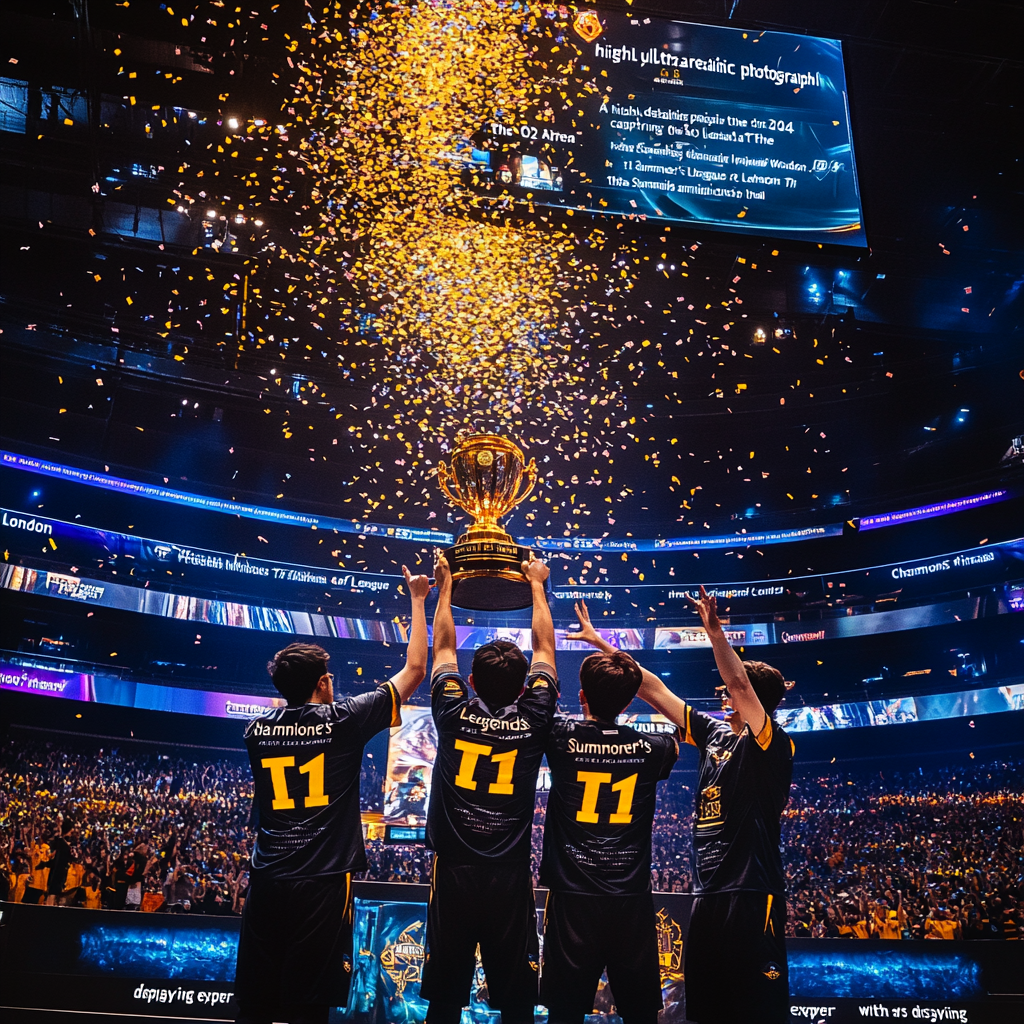
Alongside it, the League of Legends World Championship, organized by Riot Games, is another major tournament that captivates esports fans. Often simply called "Worlds," this global championship brings together the top teams from every region for a series of thrilling matches. The grand final, hosted in prestigious venues worldwide, is a veritable spectacle featuring spectacular stage productions and live musical performances. The prestige of winning this tournament is immense, with teams preparing year-round for a chance to hoist the Summoner’s Cup.
Shifting to a different genre, the Evolution Championship Series (EVO) is the premier gathering for fighting game aficionados. Since its inception in 1996, EVO has brought together the finest players of titles like Street Fighter, Tekken, and Super Smash Bros. The atmosphere is nothing short of electric, characterized by intense duels and spectacular comebacks. Beyond the competition, EVO serves as a vibrant hub for the fighting game community, acting as a prime platform for new game announcements and major updates.
Additionally, the Intel Extreme Masters (IEM) is another cornerstone event in the esports world. Organized by ESL, IEM features a variety of games, notably Counter-Strike: Global Offensive (CS:GO) and StarCraft II. IEM competitions are renowned for their flawless production value and their ability to draw top-tier talent from across the globe. The finals, frequently held in Katowice, Poland, are legendary for their high-voltage atmosphere and deeply passionate crowds.
Finally, it would be impossible to discuss the biggest esports tournaments without mentioning the Fortnite World Cup. Organized by Epic Games, this competition skyrocketed in popularity, riding the wave of Fortnite's massive cultural impact. The inaugural edition in 2019 featured a record-breaking prize pool and shined a spotlight on promising young talent. The Fortnite World Cup stands out with its unique format, combining solo and duo events, as well as its high accessibility, allowing players from all corners of the globe to shoot for glory.
In short, these tournaments represent the absolute pinnacle of esports competition. They deliver not only high-intensity entertainment but also the ultimate stage for players to make a name for themselves and leave a lasting mark on their discipline. For fans, these events are moments of celebration and shared passion, uniting communities around a mutual love for video games. Esports, short for electronic sports, is a form of organized competitive video gaming. It has surged in global popularity, attracting millions of viewers and generating significant revenue. Esports competitions span various tiers, from local amateur brackets to massive international professional events. Professional players, often known as "pro-gamers," adhere to grueling training regimens and can earn substantial incomes through prize money, sponsorships, and broadcasting contracts. Today, esports is widely recognized as a legitimate sporting discipline, complete with structured federations, leagues, and professional teams. As it continues to expand, it leaves an indelible impact on popular culture and the broader entertainment industry.