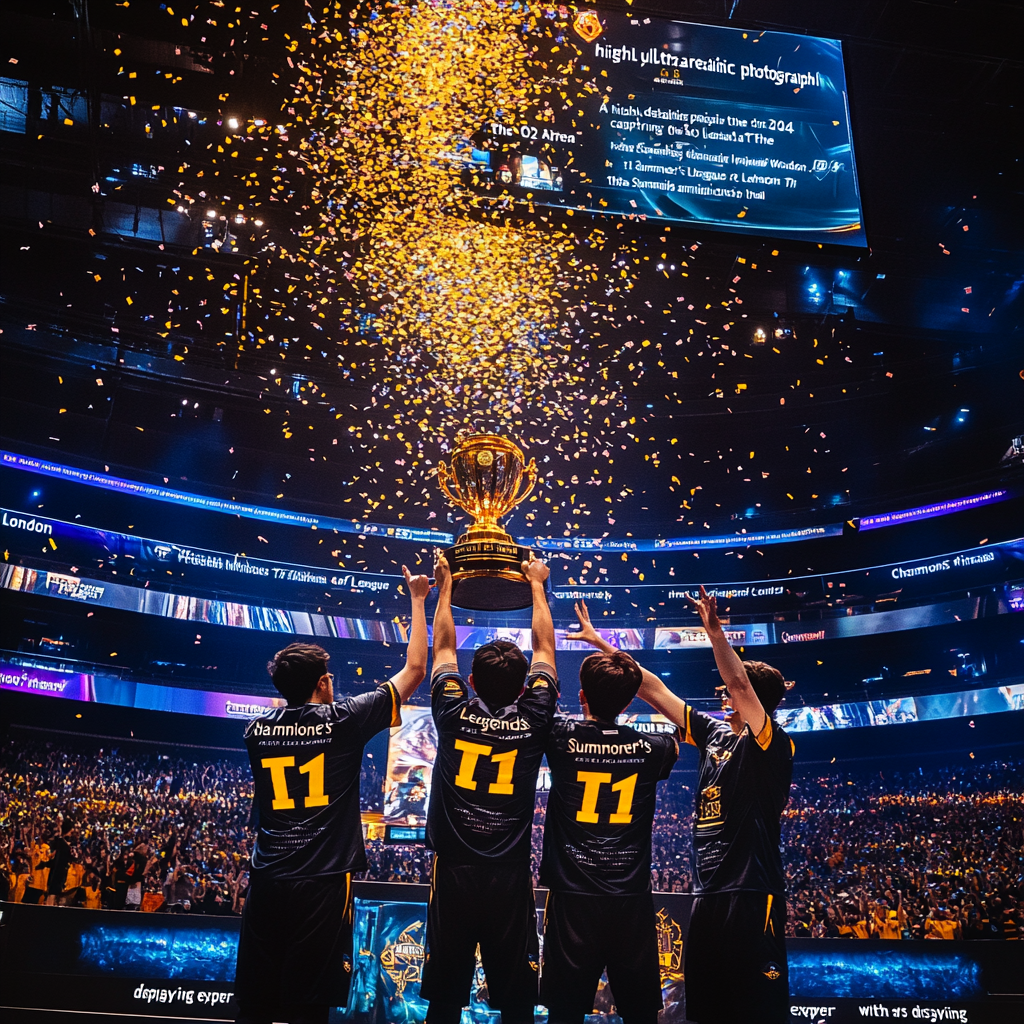
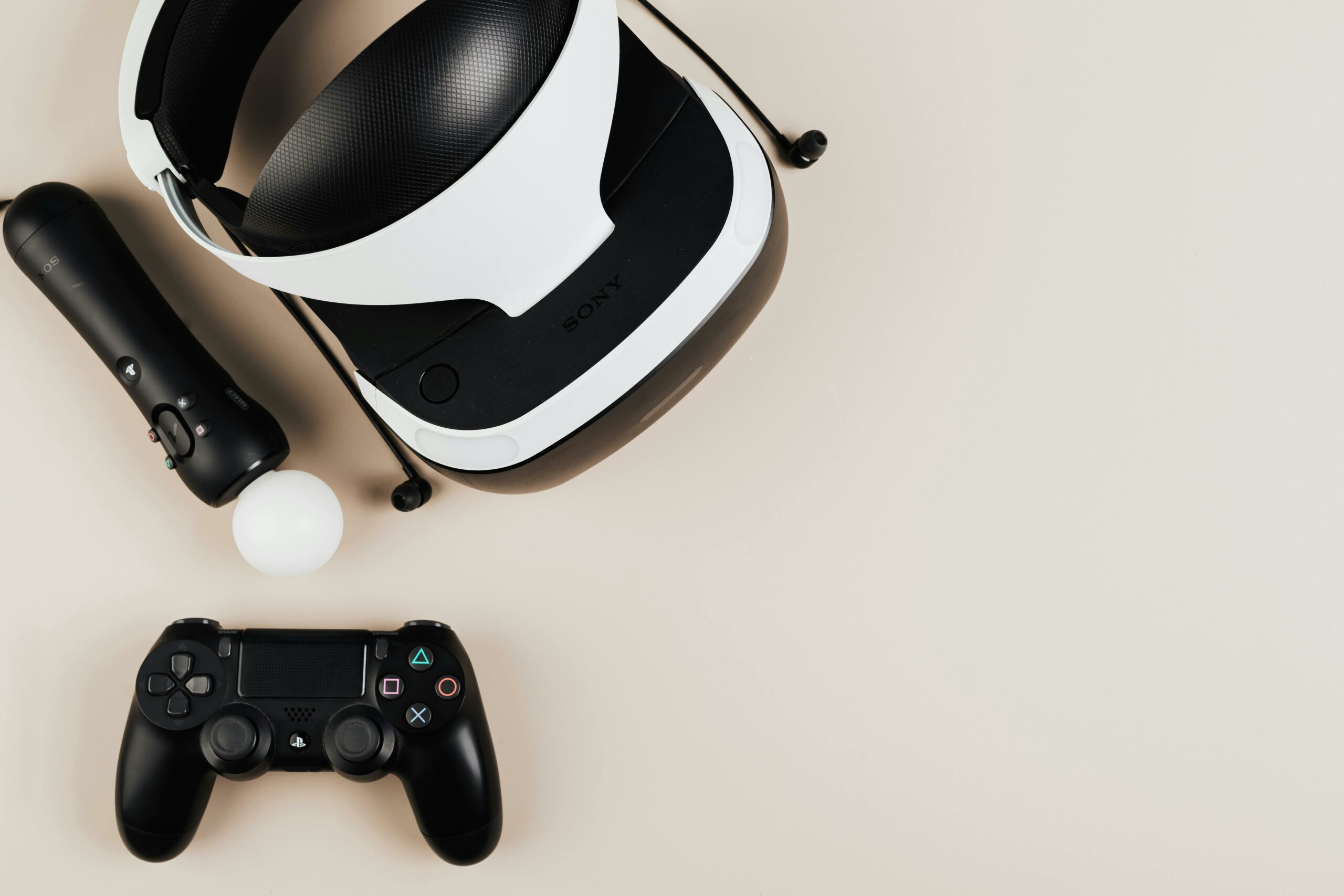
The Resurgence of Retro Gaming
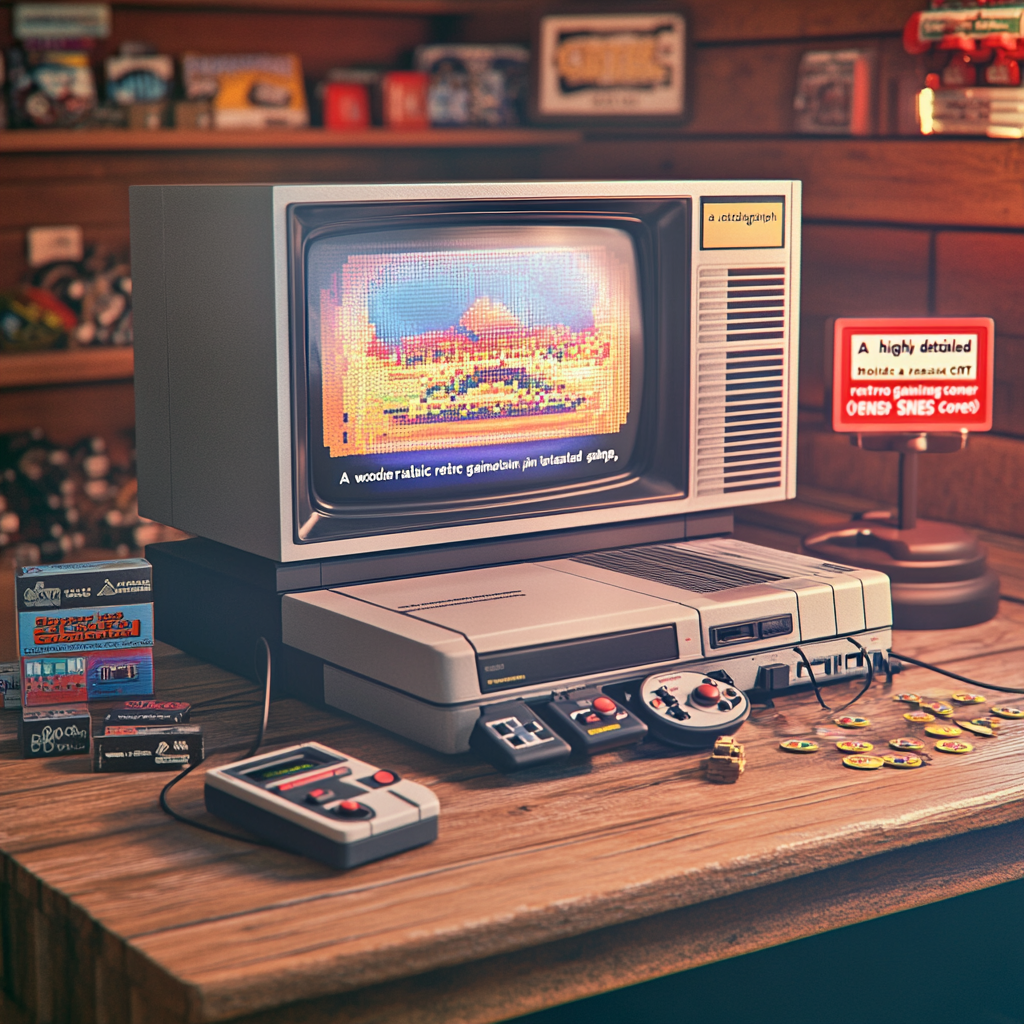
"Relive the pixelated magic: retro games are making a massive comeback!"
The resurgence of retro gaming is part of a broader cultural trend where nostalgia and authenticity take center stage. These games, which defined the 1980s and 90s, are experiencing a renewed surge of interest thanks to their simplicity, pixelated aesthetics, and gameplay that is often more accessible than modern blockbusters. Digital download platforms, the re-release of classic consoles, and dedicated online communities have made these video game treasures easier to access than ever, allowing a whole new generation to discover iconic titles. At the same time, indie developers are drawing inspiration from these classics to craft new experiences that capture the essence of yesteryear's games while weaving in contemporary innovations. This phenomenon highlights a lingering desire to reconnect with an era when video gaming was synonymous with boundless discovery and creativity.
The Nostalgic Impact of Retro Games on Modern Gamers
In a world where technology is evolving at breakneck speed, it's fascinating to see retro games enjoying a revival among modern gamers. This phenomenon is largely driven by the nostalgic hold they have over those who grew up playing these video game classics. Indeed, retro games evoke an era when gaming was simpler, yet no less captivating, and where imagination played a central role in the experience. This nostalgia is a powerful engine driving countless players to revisit these iconic titles, often with newfound affection.
Part of the appeal of retro games lies in their ability to trigger childhood memories. For many, these titles represent a time of fewer responsibilities, when the joy of gaming was pure and unhindered. Pixelated graphics and 8-bit soundtracks, while primitive by today's standards, possess an undeniable charm that resonates with memories of a bygone era. This emotional connection is further strengthened because these games were frequently shared with friends and family, forging social bonds that live on in our collective memory.
Furthermore, retro games offer a simplicity of gameplay that stands in stark contrast to the ever-increasing complexity of modern titles. Game mechanics were typically built on simple yet effective concepts, requiring raw skill and quick thinking rather than lengthy tutorials or convoluted progression systems. This straightforwardness allows players to focus on what truly matters: the sheer fun of the game. Additionally, the notoriously steep difficulty curve of these vintage titles presents a challenge that many modern gamers find refreshing in an era where games are often designed to be universally forgiving.
Moreover, the impact of retro games extends far beyond individual nostalgia. They have profoundly shaped video game culture as a whole, inspiring countless contemporary developers. Indie games, in particular, frequently borrow aesthetic and mechanical elements from retro classics, bridging the gap between past and present. This influence is evident in titles that pair a retro look with modern innovations, delivering a gaming experience that feels simultaneously familiar and remarkably fresh.
It is also worth noting that the increased accessibility of retro games has played a major role in their surging popularity. Thanks to digital distribution platforms and revamped retro consoles, players now have easy access to a vast library of classics. This widespread availability allows veteran gamers to rediscover their old favorites while introducing a whole new generation to these hidden gems of the past. As a result, retro games continue to captivate a diverse audience, seamlessly crossing generational divides.
Ultimately, the nostalgic hold that retro games have on modern players is undeniable. They evoke precious memories, deliver refreshingly simple gameplay, and continue to shape video game culture at large. As technology continues its relentless march forward, it is comforting to know that these timeless classics still hold a special place in the hearts of gamers—proving that sometimes, the past still has a great deal to offer the present.
How Retro Games Inspire Indie Developers
The video game industry has undergone spectacular evolution over the decades, yet an intriguing trend has emerged in recent years: the massive resurgence of retro gaming. This phenomenon goes well beyond simple player nostalgia; it also serves as a profound wellspring of inspiration for indie developers. Often driven by a deep-seated passion for the classics of yesteryear, these creators find an endless source of inspiration in retro games to design fresh, captivating experiences.
With their pixelated graphics and simple but highly effective mechanics, retro games hark back to an era when innovation was largely driven by technological limitations. These very constraints forced early developers to think outside the box to deliver engaging experiences. Today, indie developers are mirroring this approach by adopting retro aesthetics that evoke nostalgia while seamlessly integrating modern elements. This fusion of old and new yields games capable of captivating both seasoned gaming veterans and entirely new generations of players.
Furthermore, retro games offer a masterclass in the importance of playability. Classic titles frequently stood out for their addictive gameplay and meticulously crafted challenges—elements that continue to influence indie developers today. By focusing on rock-solid mechanics and well-balanced level design, these creators manage to capture the true essence of retro gaming while introducing innovations that deepen the player experience. This strategy results in games that don't just blindly replicate the past, but actively reinvent it for the present.
Additionally, the accessibility of modern development tools has empowered a broader array of creators to try their hand at game design. Game engines like Unity and Unreal Engine provide robust resources that make it easier than ever to build retro-inspired titles. This accessibility has triggered a boom in the indie scene, where developers can experiment freely and explore daring concepts without the strict constraints typically imposed by major AAA studios. As a result, retro-inspired indie games regularly stand out for their striking originality and their ability to catch players by surprise.
Finally, the gaming community itself plays a pivotal role in the success of retro and indie games. Digital distribution platforms like Steam and itch.io allow developers to reach a global audience without the traditional hurdles of physical distribution. Gamers, ever on the hunt for authentic and innovative experiences, actively support these creators by sharing their finds and backing crowdfunding campaigns. This direct interaction between developers and players fosters a vibrant ecosystem where creativity and innovation truly thrive.
Ultimately, the resurgence of retro gaming is far more than a fleeting nostalgic trend; it serves as a major wellspring of inspiration for indie developers. By drawing on lessons from the past while weaving in modern elements, these creators manage to design games that both captivate and surprise. Thanks to highly accessible development tools and the backing of a passionate community, retro games continue to influence and shape the future of the video game industry.
The Best Platforms for Rediscovering Retro Games
First and foremost, miniature consoles have successfully captured the attention of nostalgia seekers. These modern replicas of classic systems, such as the NES Classic Edition and the Sega Genesis Mini, offer an experience that stays true to the originals. They come pre-loaded with a curated selection of iconic games, allowing users to dive straight into the action without worrying about cartridge or disc compatibility. What’s more, these consoles are often equipped with modern features, like HDMI ports for seamless connection to today’s TVs, all while preserving the aesthetics and charm of the original hardware.
At the same time, online gaming services have played a pivotal role in the retro gaming renaissance. Platforms like Nintendo Switch Online and PlayStation Now offer libraries of classic games accessible via a monthly subscription. These services allow players to discover or revisit iconic titles without needing to own the original hardware. The true advantage of these platforms lies in their accessibility and their ability to deliver a seamless gaming experience, complete with regular updates and technical enhancements.
Additionally, emulators remain another highly popular option for retro gaming enthusiasts. This software mimics the functionality of older consoles on modern computers, offering unparalleled flexibility. Although the use of emulators raises legal questions regarding intellectual property, they remain a favored solution for those looking to explore a vast catalog of games without hardware constraints. Emulators also provide customization options, such as graphical filters and quick save states, which greatly enhance the overall gaming experience.
Furthermore, digital distribution platforms like Steam and GOG have expanded their catalogs with retro game rereleases. These versions—whether fully remastered or simply optimized for modern systems—allow players to enjoy timeless classics with upgraded graphics and added features. These storefronts also ensure optimal compatibility with current operating systems, effectively eliminating the technical headaches so often associated with older games.
Finally, it is worth noting the rapid growth of online communities dedicated to retro gaming. These passionate groups share tips, reviews, and recommendations, fostering a vibrant space for exchange and discovery. Forums and social networks enable players to connect and bond over their shared love for video game classics, thereby strengthening their sense of community and belonging.
In summary, the major resurgence of retro gaming is supported by a multitude of platforms that make these titles easier than ever to rediscover. Whether through miniature consoles, online services, emulators, or digital storefronts, retro enthusiasts are truly spoiled for choice when it comes to reliving the highlights of their childhood or exploring new gaming horizons. This sheer variety of options is a testament to the lasting impact of retro games on gaming culture and their unique ability to transcend generations.
The Evolution of the Retro Console Market
Over the past few years, the retro console market has experienced a remarkable resurgence, capturing the attention of both nostalgic fans and new generations of gamers alike. This evolution is happening at the crossroads of modern technology and the yearning to relive past experiences, fueling an unprecedented craze for the video games of yesteryear. To truly understand this dynamic, it is essential to examine the factors driving this powerful comeback and how they have shaped today's market.
First off, the boom in retro consoles can be heavily attributed to a quest for nostalgia among players who grew up with these systems. Childhood memories linked to iconic titles like Super Mario Bros., The Legend of Zelda, and Sonic the Hedgehog have sparked a deep desire to relive those precious moments. Manufacturers were quick to seize this opportunity by releasing miniaturized versions of classic consoles, such as the NES Classic Edition and the Sega Genesis Mini. These rereleases have not only allowed veteran players to reconnect with their past, but have also introduced these foundational classics to a new generation curious to discover the very roots of video gaming.
Concurrently, technological evolution has played a crucial role in the rebirth of retro consoles. Advances in hardware and software have made it possible to create powerful emulators capable of faithfully reproducing the original gaming experience on modern platforms. This paved the way for heightened accessibility, allowing players to enjoy their favorite titles on contemporary devices such as computers, smartphones, and even current-gen gaming consoles. Such widespread availability has significantly broadened the potential audience for retro games, further cementing their popularity.
Furthermore, the rise of digital distribution platforms has vastly simplified access to extensive libraries of retro games. Services like Nintendo Switch Online, PlayStation Now, and Xbox Game Pass now offer curated catalogs of classic games, allowing subscribers to discover or revisit iconic titles. This digital availability has not only streamlined access to retro gaming but has also encouraged developers to remaster and rerelease classics, frequently adding modern features to enhance the overall user experience.
However, the retro console market is not limited to official rereleases and digital storefronts. A thriving community of enthusiasts and collectors has emerged, fueling a highly dynamic secondary market. Online auctions and video game conventions have become the go-to destinations for acquiring vintage consoles and games, often commanding premium prices. This passion for collecting highlights the cultural and historical significance of retro games, which continue to deeply influence today’s gaming landscape.
Ultimately, the evolution of the retro console market is the result of a perfect convergence of factors, ranging from pure nostalgia to technological innovation. This phenomenon speaks to the lasting impact of classic video games on popular culture and underscores the importance of preserving this gaming heritage for future generations. As the market continues to expand, it is clear that retro games have carved out a permanent place in the hearts of players worldwide, proving that sometimes, the past can be just as captivating as the future.
The Most Popular Retro Games of 2023
In 2023, the video game world is experiencing a fascinating resurgence of retro gaming, a trend that continues to captivate players of all ages. This renaissance is driven by a blend of nostalgia, straightforward gameplay, and pixelated aesthetics that hark back to a simpler era of gaming. Among this year's most popular retro games, certain titles stand out for their ability to bridge generational gaps and deliver a truly timeless gaming experience.
First and foremost, it is impossible to discuss retro gaming without mentioning "Super Mario Bros.", an enduring classic that continues to win over players. Originally released in 1985, the game has maintained its appeal thanks to accessible gameplay and ingeniously designed levels. In 2023, new generations are eagerly discovering the mustachioed plumber's adventures, while older gamers delight in reliving their childhood memories. The sustained popularity of "Super Mario Bros." is bolstered by re-releases and ports to modern consoles, ensuring this iconic title remains as relevant as ever.
In a similar vein, "The Legend of Zelda" continues to enthral retro gaming enthusiasts. Launched in 1986, this adventure game is widely praised for its open world and engaging puzzles. Even in 2023, players still cherish the freedom of exploration and narrative depth that are the hallmarks of the franchise. High-definition re-releases and remakes have allowed "The Legend of Zelda" to meet the expectations of contemporary audiences while preserving the core essence that originally made it a hit.
Furthermore, "Pac-Man" remains an absolute staple of the retro landscape. Released in 1980, this arcade hit perfectly exemplifies the addictive simplicity that defined games of its era. In 2023, "Pac-Man" still draws crowds with its easy-to-learn, hard-to-master gameplay. Online tournaments and global leaderboards have breathed new life into the classic, allowing players to compete against one another in an endless quest for the highest score.
Additionally, "Tetris" is another title that has spanned decades without losing an ounce of its charm. Created in 1984, this timeless puzzle game is beloved for its ability to challenge the mind while providing a relaxing experience. In 2023, "Tetris" is enjoying renewed popularity thanks to modernized versions featuring upgraded graphics and innovative multiplayer modes. This seamless blend of tradition and modernity ensures "Tetris" holds its ground in an ever-evolving video game market.
Finally, we must mention "Street Fighter II", a cornerstone of the fighting game genre that continues to unite a passionate community. Released in 1991, it set the standard for the genre with an iconic roster of characters and highly technical gameplay. In 2023, "Street Fighter II" remains a fixture at fighting game tournaments, attracting both seasoned veterans and newcomers eager to master its intricacies.
Ultimately, the enduring popularity of retro gaming in 2023 highlights a persistent desire to reconnect with the roots of the medium. With their straightforward nature and timeless charm, these iconic titles continue to inspire and entertain, proving that the appeal of retro is here to stay. As technology advances at breakneck speed, these games serve as a reminder that sometimes, the simplest experiences leave the most lasting memories. The resurgence of retro gaming is fueled by a mix of nostalgia, accessibility, and a distinct aesthetic that continues to win over modern gamers. These titles hearken back to an era when gameplay was often simpler yet equally captivating, offering an alternative to contemporary blockbuster productions. Moreover, the re-release of classic consoles and the widespread availability of these games on digital storefronts have made them more accessible to a broader audience. Finally, the pixelated graphics and chiptune soundtracks of retro games have inspired a new generation of indie developers, who weave these elements into modern creations, thus keeping the legacy of classic gaming alive.