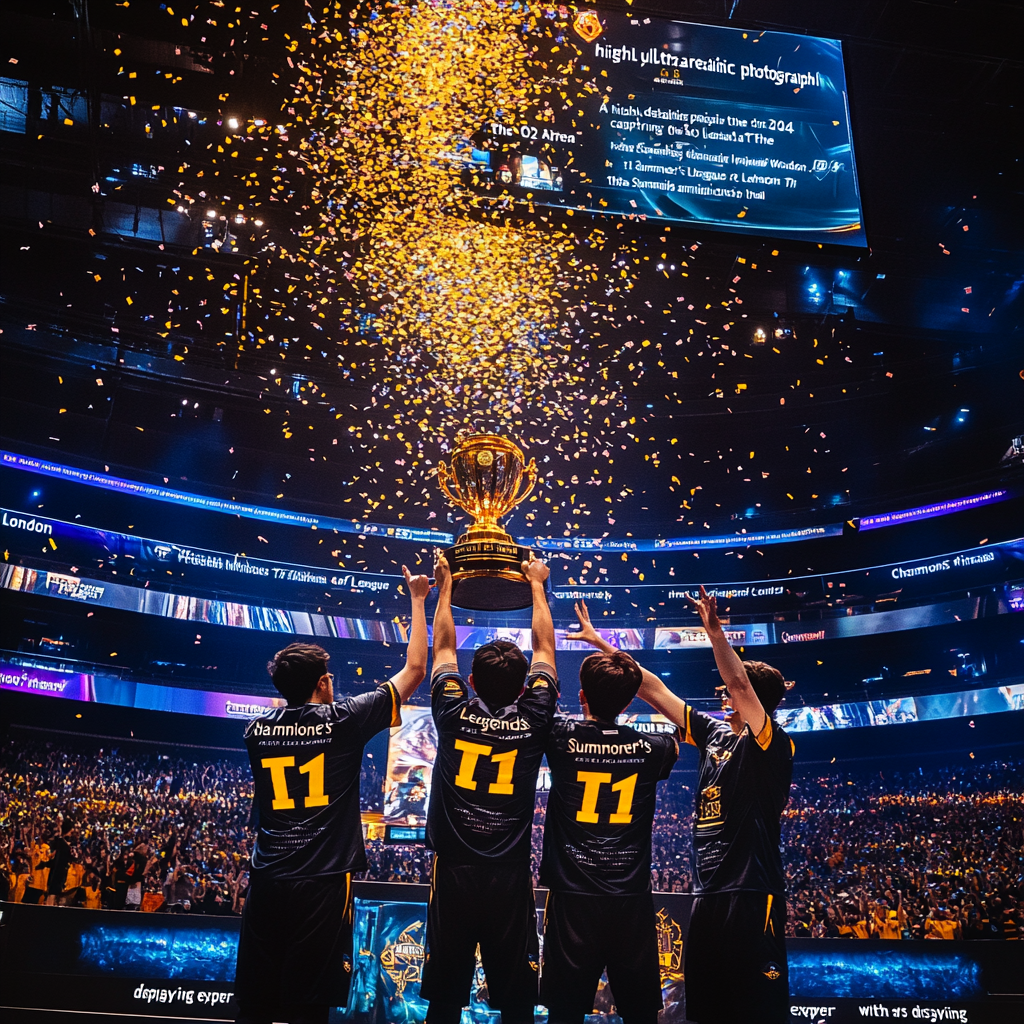
The Role of Streamers in Esports

"Streamers: The Unsung Heroes of Esports"
Streamers play a crucial role in esports as influencers, promoters, and content creators. They act as a bridge between professional players and the general public, making competitions more accessible and engaging. By broadcasting live gameplay, casting matches, and sharing analysis, streamers help popularize competitive gaming and attract new fans. Their presence on platforms like Twitch and YouTube also generates revenue through ads, donations, and sponsorships, thereby supporting the esports economy. Ultimately, streamers are essential players who energize the esports community and drive its expansion.
The Impact of Streamers on the Popularity of Esports
The rise of esports in recent years has been phenomenal, and much of this success can be attributed to the growing influence of streamers. These content creators, who broadcast their gameplay live on platforms like Twitch and YouTube, play a vital role in taking esports mainstream. Their impact is felt in several ways, from boosting the visibility of specific games to building dedicated communities around these titles.
First and foremost, streamers drive the visibility of competitive video games. When a popular streamer decides to play a specific game, they automatically draw the attention of thousands—if not millions—of viewers. This exposure can turn a relatively unknown game into a global phenomenon in record time. For instance, titles like "Fortnite" and "Among Us" saw their popularity skyrocket thanks to massive coverage from influential streamers. This heightened visibility benefits not only the games themselves but the entire esports ecosystem by drawing in new players and spectators alike.
Furthermore, streamers play an essential role in creating and sustaining communities around games. Viewers don't just passively watch gameplay; they interact with each other and the streamer through live chats and forums. This interaction fosters a sense of belonging and camaraderie among fans, deepening their engagement with the game and the broader esports scene. Streamers often become central figures within these communities, acting as key opinion leaders and brand ambassadors for the game. Their influence can steer trends and conversations within the community, thereby helping to shape the future of esports.
Additionally, streamers bring an educational dimension to esports. Many of them are highly skilled players who share their strategies, tips, and real-time analysis. This transfer of knowledge allows viewers to hone their own skills, which in turn can inspire them to actively participate in competitions. By making esports more accessible and easier to understand, streamers play a pivotal role in democratizing the field.
It is also important to note that streamers contribute to the professionalization of esports. Through revenue generated from subscriptions, donations, and partnerships, they prove that gaming can be a viable livelihood. This inspires many young players to consider a career in esports, thereby expanding the talent pool available to professional teams. Moreover, streamers frequently collaborate with brands and sponsors, attracting further investment into the esports industry. These financial partnerships are crucial for the development and sustainability of esports as a thriving industry.
Finally, streamers are instrumental in promoting esports events. By broadcasting tournaments and providing match commentary, they draw in a broader and more diverse audience. Their enthusiasm and expertise make these events more appealing and accessible, even to those who aren't hardcore gamers. This promotion helps boost viewership for esports events, which in turn attracts more sponsors and commercial partners.
In short, streamers have a profound and multifaceted impact on the popularity of esports. Their ability to attract massive audiences, build engaged communities, educate players, professionalize the industry, and promote events makes them indispensable to the esports ecosystem. Their influence will undoubtedly continue to grow, shaping the future of this rapidly expanding discipline.
How Streamers Influence Gaming Trends
Streamers play a pivotal role in the evolution and mainstream acceptance of esports, directly influencing gaming trends and shaping player preferences. Their impact is particularly evident in their ability to capture and hold the attention of a large audience, often made up of young gaming enthusiasts. Through their charisma and expertise, streamers have effectively become authority figures in the space, guiding their viewers' game choices and strategic approaches.
One of the main ways streamers influence gaming trends is by showcasing new games or updates live on stream. When a popular streamer decides to play a new title, they expose it to thousands—or even millions—of viewers. This massive exposure can quickly catapult an unknown game into a worldwide phenomenon. For instance, titles like "Among Us" and "Fall Guys" saw their popularity explode after being picked up by high-profile streamers. This ability to turn a game into an overnight success highlights just how indispensable streamers have become in the video game industry.
Furthermore, streamers do more than just play games; they build communities around them. These communities are often highly engaged and closely follow the recommendations and opinions of their favorite creators. Consequently, when a streamer adopts a new strategy or discovers a new feature, their viewers are highly likely to replicate it. This leads to the rapid spread of new trends and best practices across the broader player base. As a result, streamers act as conduits for knowledge and skill-sharing, driving the evolution of game metas and raising the overall standard of play.
Moreover, streamers are instrumental in promoting esports events. By broadcasting tournaments and providing live commentary, they open these events up to a wider audience. Their insights and analysis enrich the viewing experience, helping fans better grasp the stakes and strategies at play. This media coverage contributes to the professionalization of esports and its recognition as a legitimate competitive discipline. Additionally, streamers themselves frequently participate in these competitions, adding a personal and emotional dimension that deepens fan engagement.
It is also important to note that streamers influence gaming trends through partnerships with game developers. These collaborations give streamers early access to exclusive content, which they can then share with their audiences. This exclusivity creates a sense of anticipation and excitement among viewers, making them more eager to try out the game or the latest update. As a result, developers benefit from highly effective, targeted promotion, while streamers cement their status as essential influencers.
In conclusion, streamers play a defining role in shaping gaming trends within the esports space. Their ability to attract large audiences, build engaged communities, promote events, and collaborate with developers makes them key players in the industry. Their influence continues to grow, and it is clear that they will keep shaping the future of esports for years to come.
The Role of Streamers in Promoting Esports Tournaments
Streamers play a crucial role in promoting esports tournaments, acting as bridges between tournament organizers and vast communities of players and fans. Their influence extends far beyond simply broadcasting content; they have become central figures in the esports ecosystem. Indeed, streamers possess a unique ability to attract and engage diverse audiences, making them ideal partners for tournament organizers looking to maximize the visibility and impact of their events.
One of the primary reasons streamers are so effective at promoting esports tournaments lies in their close relationship with their audiences. Unlike traditional media, streamers interact directly with their viewers, fostering a deep sense of community and loyalty. This personal connection allows streamers to recommend tournaments in an authentic and compelling way, significantly boosting fan interest and participation. Furthermore, streamers are often viewed as experts in their field, which bolsters their credibility when discussing esports tournaments and events.
Additionally, streamers leverage live streaming platforms that offer instant global reach. Platforms like Twitch, YouTube Gaming, and Facebook Gaming allow streamers to reach millions of viewers in real time. This live-broadcasting capability is particularly advantageous for tournament promotion, as it generates immediate buzz and sustains fan engagement throughout the event. Streamers can also host Q&A sessions, interview professional players, and provide live analysis, enriching the viewing experience and further driving interest in the tournament.
Moreover, streamers play a pivotal role in creating content around esports tournaments. They produce gameplay videos, tutorials, reviews, and analyses that can draw attention to a specific tournament. This diverse content not only informs and entertains viewers, but also serves as highly valuable promotional material for tournament organizers. By collaborating with streamers, organizers benefit from extensive media coverage and ongoing promotion before, during, and after the event.
It is also worth noting that streamers help democratize access to esports tournaments. By live-streaming competitions and providing real-time commentary, they make these events accessible to a much broader audience, including those unable to attend in person. This increased accessibility contributes to the overall growth of esports by attracting new fans and expanding the viewer base.
In conclusion, streamers play an indispensable role in promoting esports tournaments. Their ability to engage audiences, broadcast live on a global scale, create highly relevant content, and democratize access to events makes them invaluable partners for tournament organizers. By harnessing the influence and skills of streamers, the esports industry can continue to grow and thrive, attracting new fans and cementing its place in the modern entertainment landscape.
Streamers as Role Models in Esports
In the ever-evolving world of esports, streamers play a crucial part as role models. Their influence extends far beyond mere gaming performance, touching on various aspects of their viewers' lives. Indeed, streamers do more than just entertain; they educate, inspire, and shape behavioral norms within the esports community. This dynamic is especially important in an arena where online interactions can often be marred by negative behavior.
First and foremost, it is essential to understand that streamers are often viewed as authority figures by their viewers. Their popularity and visibility provide them with a powerful platform to influence attitudes and behaviors. For instance, when a streamer demonstrates respect and good sportsmanship, it sends a strong message to their fans about the importance of these values. Conversely, toxic or disrespectful behavior can unfortunately legitimize such attitudes among viewers, creating a less welcoming environment for everyone.
Furthermore, streamers possess a unique ability to demonstrate the importance of resilience and perseverance. Video games—and by extension, esports—are often activities where failure is a frequent occurrence. Streamers who show how to handle defeats with grace and learn from their mistakes offer valuable lessons to their audiences. This positive approach to adversity can inspire viewers to adopt a growth mindset, not only in gaming but in other areas of their lives as well.
Streamers also play an educational role by explaining game mechanics and strategies. This pedagogical aspect is highly beneficial for newcomers to esports, who might otherwise feel overwhelmed by the complexity of the games. By sharing their knowledge and offering tips, streamers make esports more accessible and inclusive. In doing so, they contribute to the community's growth, drawing in new players and helping viewers better understand and appreciate the game's subtleties.
Finally, streamers can promote healthy and balanced behaviors. For example, some streamers take regular breaks to stretch or remind their audiences to stay hydrated. These small gestures can have a significant impact, especially on younger viewers who might be tempted to spend long, uninterrupted hours in front of their screens. By modeling healthy lifestyle habits, streamers can encourage their audiences to adopt similar practices.
Finally, it is important to note that streamers also bear the responsibility of promoting an inclusive and respectful environment. In a community as diverse as esports, celebrating diversity and fighting all forms of discrimination is crucial. Streamers who use their platforms to champion these values help foster a more positive and welcoming culture. They demonstrate that esports can be a space where everyone, regardless of their background or identity, can feel valued and respected.
Ultimately, streamers play a multifaceted role as role models within esports. Their influence extends far beyond mere entertainment, touching upon educational, inspirational, and normative aspects. By modeling respectful behavior, demonstrating resilience, educating their audience, promoting healthy habits, and advocating for inclusivity, streamers help shape a more positive and enriching esports community. Their role is therefore essential to the growth and longevity of esports as a respected and inclusive discipline.
The Collaboration Between Streamers and Esports Teams
Collaboration between streamers and esports teams has become a cornerstone of the competitive gaming ecosystem. This synergy, cultivated over the years, has forged unique opportunities for both parties while enriching the fan experience and fueling the industry's growth. To fully grasp this dynamic, it is essential to examine the various facets of this collaboration and the benefits it yields.
First and foremost, streamers bring significant visibility to esports teams. With their large audiences and ability to engage viewers, streamers can effectively promote teams and their sponsors. This heightened exposure is especially beneficial for emerging rosters looking to make a name for themselves in a saturated market. Furthermore, streamers can draw new fans to these teams, thereby expanding their supporter base and overall influence.
At the same time, esports teams offer streamers a platform to showcase their skills and passion for gaming. By collaborating with professional organizations, streamers gain access to exclusive events, tournaments, and practice sessions, allowing them to hone their craft and build credibility. This symbiotic relationship is further strengthened by the logistical and financial backing that teams provide, freeing up streamers to focus purely on creating high-quality content.
The partnership between streamers and esports teams goes beyond mutual promotion and support. It also encompasses joint initiatives designed to enrich the fan experience. For instance, streamers might host live gaming sessions with team members, offering viewers a rare chance to watch their favorite players in action. Additionally, these collaborations often feature interviews, match breakdowns, and strategic discussions, helping fans better grasp the nuances of the game and the tactics employed by the pros.
Another crucial aspect of this collaboration is its impact on the wider esports community. As influencers, streamers have the power to shape the opinions and behaviors of their audience. By partnering with esports teams, they can promote positive values such as fair play, respect, and perseverance. This influence helps cultivate a healthier, more inclusive environment for everyone involved—whether they are players, spectators, or other industry stakeholders.
It is also vital to recognize the significant economic benefits of these collaborations. Partnerships between streamers and esports teams can attract sponsors and investors, generating supplementary revenue for both parties. These funds can then be reinvested into team development, infrastructure upgrades, and premium content creation, which in turn reinforces the market position of both the organization and the streamer.
In conclusion, the collaboration between streamers and esports teams is a complex, multifaceted phenomenon that offers widespread benefits for everyone involved. By combining their strengths, streamers and teams not only boost their visibility and influence, but also elevate the fan experience and drive the growth of the esports industry. Rooted in mutual respect and cooperation, this synergy perfectly illustrates how different branches of the esports ecosystem can unite to achieve common goals. Streamers play a critical role in esports as both influencers and promoters. They elevate the visibility of games and tournaments, draw in new audiences, and build highly engaged communities. Their live broadcasts enable real-time interaction with fans, thereby deepening engagement and loyalty. Furthermore, streamers are able to monetize their audiences, injecting additional revenue into the broader esports economy. Ultimately, streamers are indispensable drivers in the continued growth and mainstream popularization of esports.