The Most Hardcore Dark Souls Challenges

The adage has been repeated tirelessly for over a decade: "Dark Souls is a hard game." This reputation was its primary marketing hook and the first brick wall newcomers crashed into. Punishing level design, stringent stamina management, and uncompromising bosses have forged a gaming myth.
However, the difficulty within the FromSoftware ecosystem wasn't built solely on developer choices, but also through community involvement. Rather than merely enduring the game's hostility, players analyzed its mechanics, dissecting and quantifying them with statistical precision.
When the initial challenge was no longer enough, some players decided to subvert the established rules. They developed a practice of self-imposed restrictions, transforming this Action-RPG into a testing ground. This article explores this approach to difficulty, where mathematical statistics intersect with severe mechanical constraints to alter how the game is beaten.
Key Takeaways
Before diving into the psychology and statistics of this extraordinary community, here are the fundamental takeaways regarding the series' difficulty:
- Quantified difficulty: Dark Souls ranks as the 3rd most difficult Soulsborne game with an average rating of 4.20 out of 5, based on over 400 user votes on GameFAQs.
- The rise of voluntary restriction: When the base game becomes too easy, the community enforces strict rules upon itself. "No bonfire," "no level up," "no Estus flask," and "boycott the blacksmith" challenges are highly popular challenge runs, particularly in Dark Souls 2.
- Victory through absurdity: Absolute mastery of the game has led to encounters where the hardware itself becomes a handicap. For instance, one player defeated the Abyss Watchers boss in Dark Souls 3 using a DJ Hero turntable.
Objectively, Which is the Hardest Soulsborne Game?
Debates over the difficulty of FromSoftware titles used to largely come down to personal experience. Some players hit a wall with the weighty combat of the first installment, while others crumbled under the breakneck pace of more recent titles. Eventually, however, the community felt the need to translate these feelings into objective data.
How Do Community Ratings Define Difficulty?
By compiling player reviews, a definitive ranking emerged. Based on feedback from a segment of the community, we can accurately place the first game within the hierarchy of the studio's catalog.
Dark Souls currently ranks as the 3rd hardest Soulsborne game with an average rating of 4.20 out of 5, a score drawn from over 400 user votes on the GameFAQs platform. This figure proves that the game retains a high spot on the difficulty leaderboard.
However, Sekiro: Shadows Die Twice is considered the absolute hardest Soulsborne with a score of 4.50 out of 5. This difference ultimately boils down to distinctly different game design approaches.
The Soulsborne Difficulty Index
This analytical table recontextualizes the community data from GameFAQs by factoring in the mechanical nature of the challenge. It illustrates how difficulty fluctuates based on the adaptation required.
| Rank | Title | Difficulty Rating (/5) | Core Challenge Nature | Survival Model |
|---|---|---|---|---|
| 1st | Sekiro: Shadows Die Twice | 4.50 | Strict rhythmic parrying and lack of multiplayer assistance. | Muscle memory and constant aggression. |
| 3rd | Dark Souls | 4.20 | Punishing level design, environmental traps, and weighty combat. | Precise stamina management and extreme caution. |
The community acknowledges that while Dark Souls earns a 4.20, it is largely due to its systemic structure. Where Sekiro demands lightning-fast reflexes, Dark Souls requires the player to adapt to a hostile environment and carefully manage their equipment.
Which Areas Are the Most Hated by Players?
A video game's mechanical rigor isn't solely expressed during boss fights. In FromSoftware's title, the environment itself is designed to be antagonistic. Players share memories of architecture specifically built to make progression a nightmare.
Why is the Undead Parish So Punishing?
Long before reaching the heart of the game, newcomers face a particularly brutal area. In fact, the Undead Parish ranks as the 10th hardest zone in Dark Souls according to a community top 10 on specialized sites like Gamekyo. This ranking is driven by combat scenarios that severely punish poor positioning.
In this area, cramped spaces become death traps against robust enemies. The rapier-wielding knights can land a devastating backstab that deals massive damage. This rear-attack mechanic, usually reserved for the player to gain the upper hand, is flipped and used by the enemies here. It is a textbook example of punishing level design: a narrow corridor, a swift foe, and an immediate penalty for a poorly timed dodge.
Why Does Blighttown Provoke Such Strong Pushback?
While the Parish punishes combat mistakes, other sectors rely on a toxic atmosphere and extreme verticality. Blighttown stands out as a glaring example of a hostile environment for countless players.
The darkness, the constant risk of falling, and toxic darts shot from the shadows make exploration particularly harrowing. This sentiment is widely shared across the community. One testimonial perfectly sums up this collective trauma: "I love DS, but Blighttown is my absolute nemesis; I HATE this fucking area."
What to Do When the Game Gets Too Easy? Challenge Runs
What happens when a player masters an environment so completely that they no longer feel threatened by it? The community decided to create its own constraints. This is the core premise of the Challenge Run: a voluntary stripping away of mechanics to increase the game's difficulty.
What is Self-Imposed Deprivation in Dark Souls?
These self-imposed constraints fundamentally change how the game operates. In a standard playthrough, players must wisely choose skills that complement their playstyle to optimize their stats and survivability. In the context of a challenge run, this logic of optimization is completely rejected.
This trend has continued through the franchise's sequels. For example, "no bonfire," "no level up," "no Estus flask," and "boycott the blacksmith" challenges are popular challenge runs in Dark Souls 2, enforcing major gameplay restrictions.
Here is how the community implements these handicaps:
- The "No Bonfire" Run: By refusing to sit at bonfires, the player eliminates checkpoints and equipment repairs. The Action-RPG essentially becomes a logistical survival game. Weapon durability turns into a critical resource, forcing players to memorize perfect exploration routes.
- The "No Estus Flask" Run: Abandoning the primary healing flask demands incredible precision. A single positional mistake (such as suffering an enemy backstab) can no longer be erased by chugging a potion. The player must execute flawless combat sequences over long stretches of gameplay.
- The "No Level Up" Run: Staying at base level (often referred to as a Soul Level 1 or SL1 run) renders soul accumulation useless. This forces the player to face off against end-game bosses with a tiny health bar, making even the most basic monster a lethal threat.
- The "Boycott the Blacksmith" Run: Refusing to upgrade weapons at the blacksmith means your damage output will never scale up. Boss fights that are typically designed to last a couple of minutes stretch out considerably, demanding unwavering concentration.
These challenge runs illustrate the community's fascination with self-imposed limitations. The lack of support tools forces players to exploit every single opening in enemy animations.
How Do Players Defeat Bosses With Unconventional Controllers?
After exhausting in-game restrictions—refusing to level up, heal, or upgrade weapons—some players took aim at the physical interface. The challenge breached the screen to target the hardware itself.
What Kind of Atypical Controllers Do Players Use?
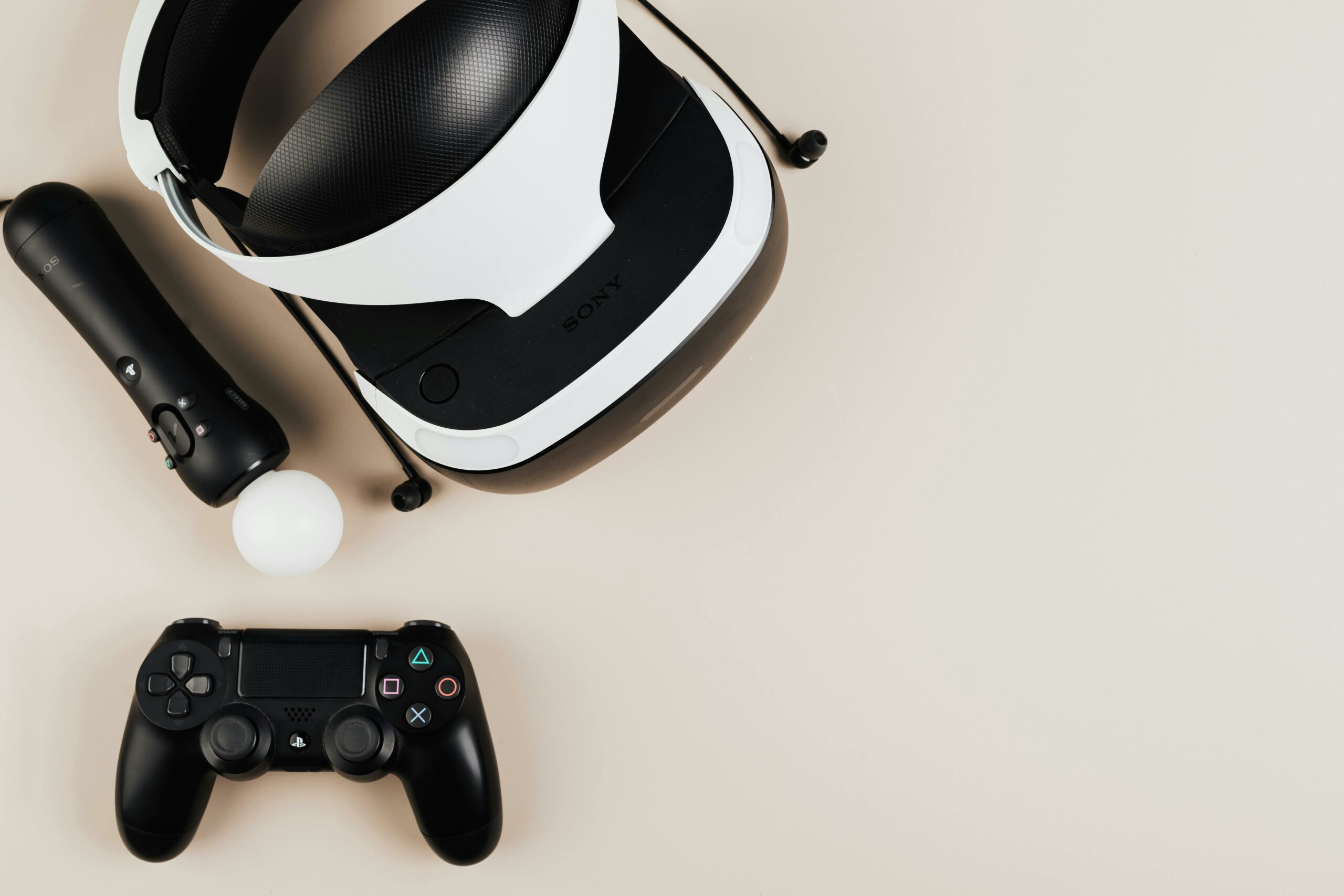
While a traditional keyboard or gamepad makes the game accessible, some community members have adopted peripherals designed for radically different purposes. This demonstrates an incredible mastery of the game's core mechanics.
The most famous anecdote illustrating this approach took place during a Dark Souls 3 encounter. A player actually managed to defeat the Abyss Watchers boss using a DJ Hero turntable.
How Does Muscle Memory Enable Adaptation?
This feat is the result of intense cognitive and motor learning:
- Mastering the patterns: The player meticulously mapped out every split-second of the boss's animations.
- Motor Reassignment: The player rewired their reflexes to associate spinning the turntable with a dodge, and hitting the scratch button with a sword attack.
- Hardware Adaptation: The unconventional nature of the peripheral ceases to be a hindrance once enemy attack anticipation is flawlessly mastered.
Beating the game using a DJ turntable, dance pads, or other repurposed devices stands out as one of the most spectacular types of challenges within this community.
FAQ: Frequently Asked Questions About Extreme Dark Souls Challenges
The world of self-imposed difficulty sparks a lot of curiosity. Here are the answers to the most frequently asked questions about the community's rankings and runs.
What is objectively the hardest FromSoftware game?
According to a major statistical consensus (based on over 400 user votes on GameFAQs), Sekiro: Shadows Die Twice claims the top spot with a 4.50/5 rating, largely due to its demanding, rhythm-based parrying system. Dark Souls holds a highly respectable third place with an average score of 4.20/5.
What exactly is a "No Bonfire" challenge?
This is a highly popular challenge run—especially in the second installment—where the player is strictly forbidden from resting at bonfires. This restriction eliminates save points, prevents the instant refill of healing potions, and drastically alters how weapon durability is managed, requiring absolutely flawless route planning.
What is the hardest area in the first game?
While rankings vary, the Undead Parish is widely considered the 10th hardest area (according to a community top 10 list), notoriously punishing mistakes with devastating knight backstabs. Furthermore, the community frequently cites Blighttown as a particularly grueling ordeal due to its toxic traps and disorienting verticality.
Conclusion: How Did Difficulty Become a Common Language?
The FromSoftware franchise has essentially become a blank canvas for experimentation. Exploring this baseline difficulty—quantified at 4.20/5 and brutally felt in areas like the Undead Parish—only scratches the surface of the phenomenon.
By imposing no-heal rules, locking their levels, or facing off against bosses with DJ turntables, the community has completely reinvented the learning curve. The game's harshness is no longer something merely endured; it is a tool for self-improvement and pushing boundaries. Ultimately, Dark Souls proves that many players aren't just satisfied with surviving a hostile environment—once they master it, they inevitably seek to dominate it by stacking the odds even higher against themselves.