The Impact of New Technologies on Professional Training

"Supercharge your performance: innovation empowering the pros!"
The impact of new technologies on professional training is an increasingly important topic in the modern sports world. With the advent of advanced tracking devices, data analytics, and virtual reality, athletes and their coaches now have powerful tools at their disposal to optimize performance and reduce the risk of injury. These technologies allow for unprecedented personalization of training programs, catering to the specific needs of each athlete. Furthermore, access to data in real time offers the ability to adjust training strategies dynamically, thereby improving the efficiency and effectiveness of workout sessions. Ultimately, new technologies are radically transforming how professionals train, paving the way for increasingly impressive athletic performances.
Enhancing Performance Through Data Analytics
The impact of new technologies on professional training is a topic generating growing interest, particularly due to the significant performance improvements driven by data analytics. In the sports world, where every fraction of a second counts, using advanced tech to optimize training has become a necessity rather than a luxury. Data collected from various technological devices empowers coaches and athletes to make informed decisions based on concrete facts rather than mere intuition.
Data analytics starts with gathering precise information about athletic performance. Thanks to wearable sensors, smartwatches, and other tracking devices, it is now possible to accurately measure metrics like heart rate, speed, distance covered, and even sleep quality. Once collected, this raw data is analyzed to identify trends and patterns that might highlight areas for improvement. For instance, an athlete might discover they hit peak performance at a specific time of day, which can directly influence how their training sessions are scheduled.
Moreover, data analytics enables the personalization of training programs based on the unique needs of each athlete. Rather than adopting a one-size-fits-all approach, coaches can design bespoke training regimens that account for individual strengths and weaknesses. This customization is made possible by sophisticated algorithms that process the data and provide tailored recommendations. As a result, athletes can maximize their potential by focusing on the performance aspects that need the most attention.
Injury prevention is another area where data analytics plays a crucial role. By monitoring indicators of fatigue and physical stress in real time, coaches can anticipate injury risks and adjust training loads accordingly. This not only prolongs athletes' careers but also improves their overall well-being. Furthermore, in the event of an injury, the collected data can help design more effective rehabilitation programs by closely tracking the healing process and tweaking exercises based on the progress made.
The integration of data analytics technologies in sports training isn't limited to individual athletes. Sports teams also benefit from these advancements, particularly regarding strategy and tactics. By analyzing past performances and simulating different scenarios, coaches can develop more effective game plans and better prepare their teams to face opponents. This analytical approach allows for strategic decisions rooted in tangible evidence, thereby increasing the chances of success.
In conclusion, the impact of new technologies on professional training is undeniable, and performance enhancement through data analytics is at its core. By providing accurate and personalized information, these technologies allow athletes and teams to push the boundaries of their capabilities. As technologies continue to evolve, their role in professional sports will likely become even more prominent, unlocking new possibilities for performance optimization.
Using Virtual Reality For Training Simulation
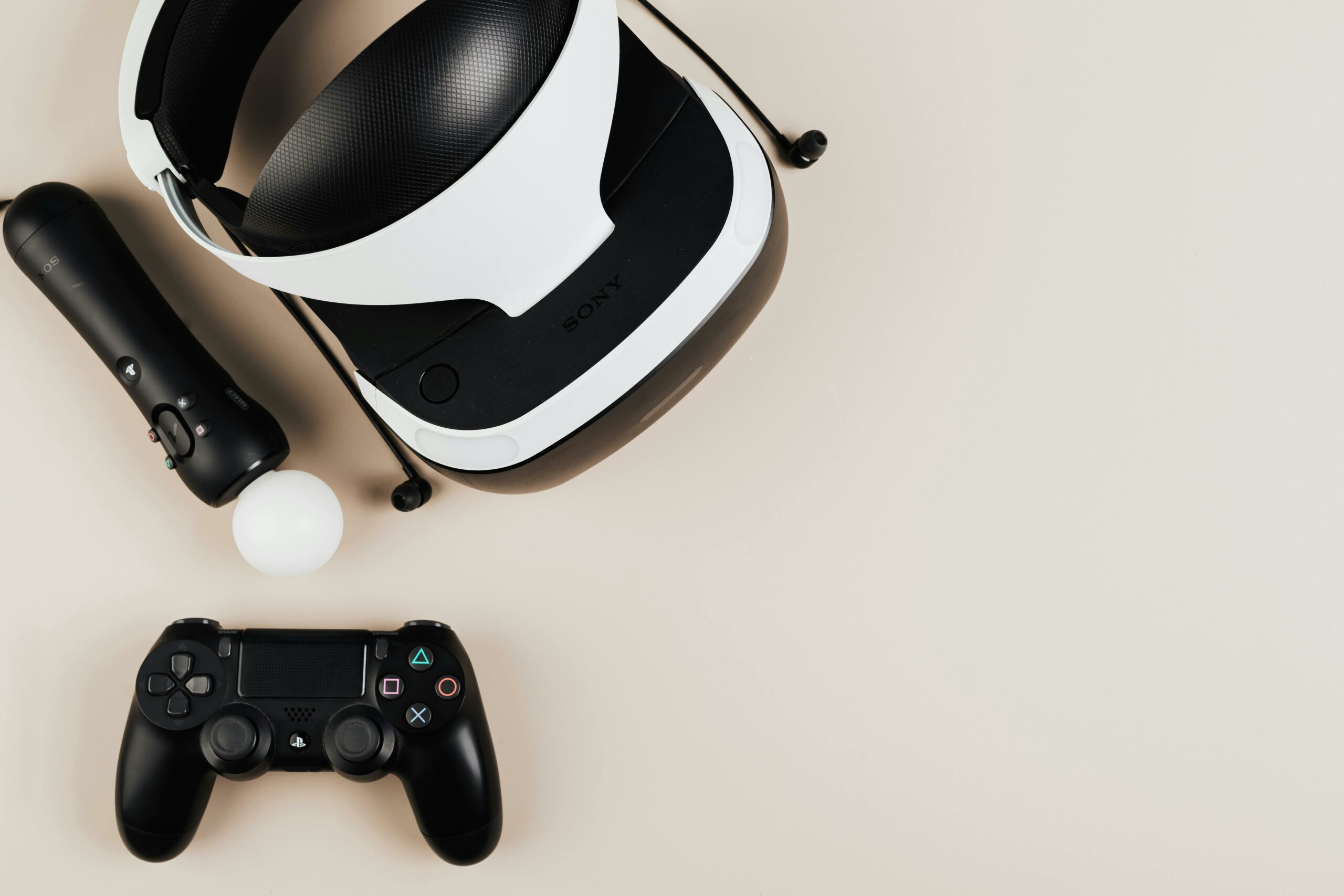
The boom in new technologies has transformed many aspects of our daily lives, and the field of professional training is no exception. Among these innovations, virtual reality (VR) stands out as a revolutionary tool, offering unprecedented possibilities for training simulation. By integrating VR into their training programs, professionals across various sectors can now enjoy an immersive experience that transcends the limits of traditional methods.
Virtual reality allows for the creation of simulated environments that faithfully replicate real-life situations, giving users a unique opportunity to train in highly realistic conditions. This technology is especially beneficial in fields where real-world practice can be costly, dangerous, or simply unfeasible. For instance, in the aviation sector, pilots can practice handling emergency situations in a VR flight simulator, allowing them to hone crucial skills without risking their safety or that of their passengers.
Additionally, VR offers a level of customization and repetition that is hard to match with traditional training methods. Scenarios can be tailored to the specific needs of each user, facilitating highly targeted and efficient learning. Moreover, the ability to repeat exercises as often as needed—without the constraints of time or physical resources—promotes a faster and deeper mastery of the required skills. This flexibility is particularly advantageous in sectors like healthcare, where medical professionals can practice complex procedures in a controlled environment before performing them on actual patients.
The transition toward using virtual reality in professional training does not come without challenges. One of the main hurdles is the high initial cost of the necessary hardware and software development. However, as technology advances and costs drop, more and more organizations are recognizing the long-term benefits of this investment. In fact, the savings achieved by reducing physical resource requirements and improving training efficiency often offset the initial expenses.
Furthermore, adopting VR also requires an adaptation of teaching methods. Trainers must be educated on how to use these new technologies and integrate VR into their training programs. This involves reevaluating traditional approaches and remaining open to instructional innovation. However, the potential benefits in terms of engagement and knowledge retention more than justify these efforts.
In conclusion, utilizing virtual reality for training simulations represents a major breakthrough in professional training. By providing immersive and personalized environments, VR allows professionals to train more effectively and safely. While challenges remain—particularly regarding costs and instructional adaptation—the long-term benefits of this technology are undeniable. As VR continues to evolve, it promises to redefine the standards of professional training, paving the way for new opportunities in learning and skill development.
The Impact of Wearable Sensors on Athlete Monitoring
Wearable sensors enable the collection of a vast array of data, ranging from heart rate and speed to distance covered and calories burned. This wealth of information provides coaches with a detailed overview of their athletes' performances, allowing them to pinpoint strengths and areas that need improvement. For instance, by analyzing heart rate data, a coach can adjust the intensity of training sessions to optimize an athlete's physical conditioning while preventing overtraining. Furthermore, this data can be used to tailor training programs to the specific needs of each individual athlete.
In addition, wearable sensors play a crucial role in injury prevention. By monitoring indicators such as training load and muscle fatigue, coaches can detect the early warning signs of potential injuries. This allows them to adjust training sessions accordingly, thereby reducing the risk of severe injuries that could jeopardize an athlete's career. Moreover, in the event of an injury, the data gathered by these sensors can be used to track rehabilitation progress, ensuring a safe return to competition.
The ability of wearable sensors to deliver real-time data is also a major asset during competitions. Coaches can adjust their strategies based on an athlete's current performance, thereby optimizing their chances of success. During a long-distance race, for example, a coach can advise an athlete on the ideal moment to speed up or slow down based on pace and heart rate data. This responsiveness is an undeniable competitive advantage in professional sports.
However, integrating wearable sensors into athletic training is not without its challenges. Managing and interpreting large volumes of data requires specific skills and proper training. Additionally, ensuring the privacy and security of athletes' personal data is essential—an issue that is raising growing concerns in the digital age. Despite these challenges, the benefits offered by wearable sensors are clear, and they continue to transform the professional sports landscape.
Ultimately, the impact of wearable sensors on athlete monitoring is both profound and multifaceted. By providing accurate, real-time data, these devices enable greater personalization of training, effective injury prevention, and optimized performance during competition. As technology continues to evolve, the use of wearable sensors in professional sports is likely to expand even further, unlocking new possibilities for enhancing athletic performance.
Artificial Intelligence in Personalizing Training Programs
The rise of new technologies has transformed many aspects of our daily lives, and the field of professional athletic training is no exception to this revolution. Among these innovations, artificial intelligence (AI) stands out for its unprecedented ability to personalize training programs. Indeed, AI offers unparalleled opportunities to tailor training regimens to the specific needs of each athlete, optimizing their performance while minimizing the risk of injury.
One of the primary advantages of artificial intelligence lies in its capacity to analyze vast amounts of data in record time. Professional athletes generate a wealth of data during their training sessions, ranging from biometric measurements to real-time performance metrics. Thanks to AI, this data can be processed and interpreted to provide valuable insights into an athlete's physical condition. For example, machine learning algorithms can identify patterns in an athlete's performance, making it possible to detect early signs of fatigue or overtraining.
Furthermore, AI makes it possible to create truly bespoke training programs. Unlike traditional methods, which often rely on standardized approaches, artificial intelligence factors in the unique characteristics of each athlete. It can adjust training loads, session frequency, and even the types of exercises based on individual needs. This personalization is essential for maximizing performance while preserving the athlete's health. For instance, a long-distance runner and a sprinter will have vastly different training requirements, and AI can ensure that each receives a regimen tailored to their specific goals.
Additionally, artificial intelligence plays a crucial role in injury prevention—a fundamental aspect for professional athletes whose careers can be derailed by physical issues. By analyzing biomechanical and physiological data, AI can identify imbalances or anomalies that could lead to injuries. It can then recommend adjustments to the training program to correct these issues before they become critical. This ability to anticipate and prevent injuries is a major asset in prolonging athletes' careers and maintaining their peak performance levels.
However, integrating artificial intelligence into athletic training does present certain challenges. One of the primary obstacles is the need to ensure the quality and reliability of the data being used. AI algorithms depend on accurate and comprehensive data to function effectively. Consequently, establishing robust systems to collect and manage this information is crucial. Moreover, the successful adoption of these technologies hinges on their acceptance by both coaches and athletes. Educating sports professionals on how to use these tools is vital so they can fully leverage their potential.
In conclusion, artificial intelligence represents a significant advancement in personalizing training programs for professional athletes. By harnessing the power of data and algorithms, it optimizes performance while safeguarding athletes' health. Although challenges remain—particularly regarding data management and user adoption—the potential benefits of AI in sports are undeniable. As technology continues to evolve, its role in athlete training will likely only grow, paving the way for new possibilities to push the boundaries of human performance.
Integrating Drones for Video Analysis and Strategy
Integrating drones into the sports world has revolutionized the approach to video analysis and strategy, offering coaches and athletes unprecedented vantage points. These flying devices, once reserved for military or recreational use, have become essential tools for sports professionals. Their ability to capture high-quality aerial footage allows for a detailed analysis of individual and team performance, fundamentally transforming how squads prepare and adjust.
One of the main advantages of drones lies in their ability to provide a comprehensive, bird's-eye view of the field, which is impossible to achieve with traditional cameras. This aerial perspective allows coaches to better understand game dynamics, player movements, and the spaces being exploited or left open. By observing these elements from a fresh angle, teams can more easily pinpoint their opponents' weaknesses and tweak their strategies accordingly. Furthermore, drones can track plays in real time, offering instant analysis that can be used for immediate tactical adjustments.
Additionally, using drones for video analysis enables more accurate and comprehensive data collection. The captured footage can be fed into analytics software that breaks down movements into detailed segments, providing precise statistics on speed, distance covered, and overall efficiency. This data is essential for coaches looking to optimize their athletes' performance. By gaining a deeper understanding of each player's strengths and weaknesses, it becomes possible to tailor training programs to maximize individual potential.
However, the integration of drones in sports training extends far beyond performance analysis; they also play a crucial role in strategic planning. By providing detailed information on field conditions and opponent movements, drones help teams develop highly effective game plans. For example, in team sports like soccer or rugby, the ability to anticipate the opposing squad's movements can mean the difference between victory and defeat. Drones make it possible to simulate different game scenarios, giving teams the opportunity to thoroughly prepare for a variety of situations.
Despite these benefits, using drones in sports is not without its challenges. Regulatory and safety issues must be carefully considered to prevent accidents. Moreover, analyzing the collected data requires advanced technical skills, which can pose a hurdle for some teams. Nevertheless, as technology rapidly evolves and drones become increasingly accessible, these obstacles are steadily being overcome.
Ultimately, the integration of drones into sports training represents a major breakthrough that is transforming how teams analyze and develop their strategies. By offering a unique perspective and precise data, these devices empower coaches and athletes to push the limits of performance. As technology continues to advance, drone use will likely become even more widespread, paving the way for further innovations in the world of professional sports. New technologies have profoundly transformed how professional athletes train, offering cutting-edge tools to optimize performance and reduce the risk of injury. Real-time data analysis, made possible by wearable sensors and analytics software, enables precise tracking of athletes' performance and physical condition. Virtual and augmented reality technologies provide immersive training environments, enhancing both mental and technical preparation. Additionally, data management platforms make it easier to customize training programs by factoring in each athlete's specific needs. In the end, integrating these new technologies into professional sports training has led to a more scientific, individualized approach, significantly boosting both the effectiveness and safety of modern training regimens.