Artificial Intelligence in Esports

"Boost your performance: Artificial intelligence takes center stage in esports!"
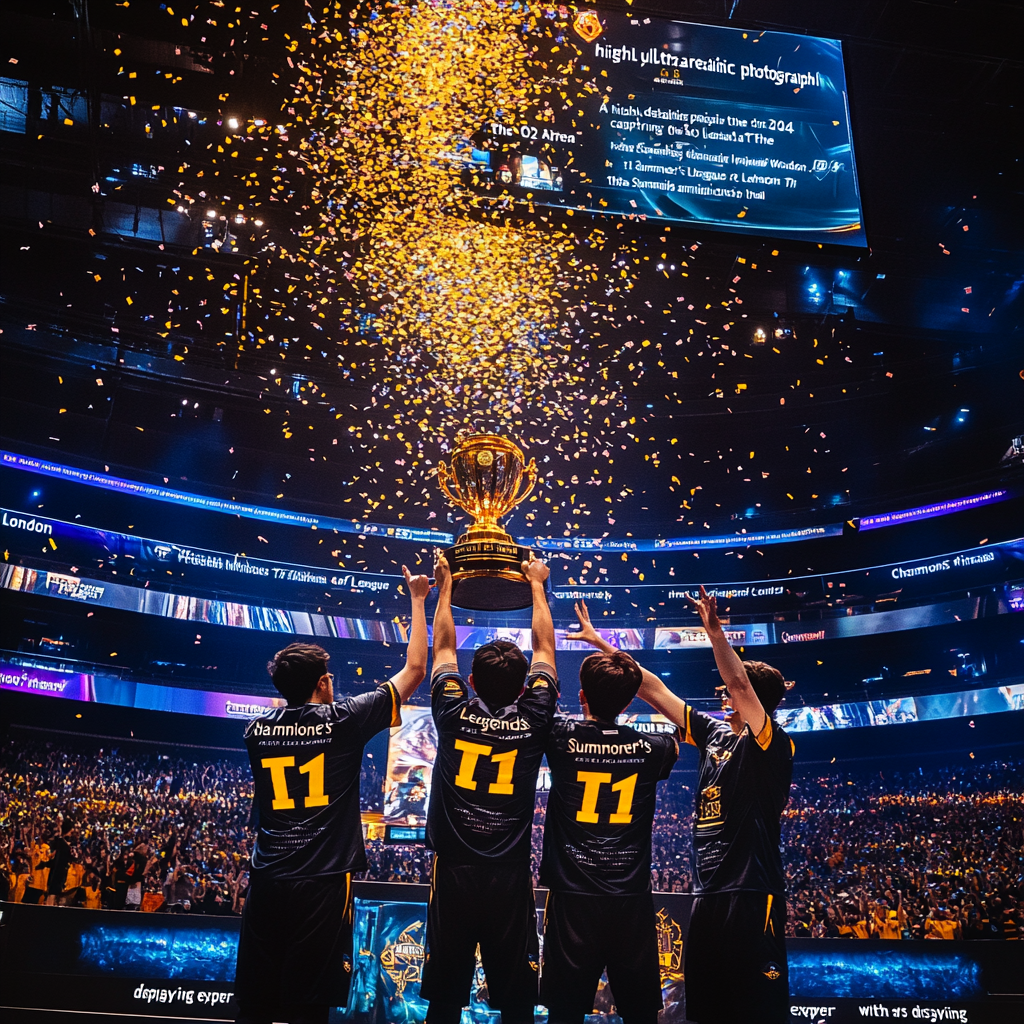
Artificial intelligence (AI) is playing an increasingly pivotal role in esports, fundamentally transforming how games are developed, played, and analyzed. As a groundbreaking technology, AI is leveraged to create sophisticated virtual opponents capable of adapting to and learning from human strategies, thereby delivering more realistic and stimulating challenges. Moreover, AI is utilized to analyze player performance in real time, yielding invaluable insights that help refine tactics and hone skills. It also bolsters cheat detection and tournament management, ensuring fair and high-integrity competitions. Ultimately, artificial intelligence is redefining the esports landscape—enriching the player experience and unlocking new possibilities for the future of this dynamic industry.
The Impact of Artificial Intelligence on Team Strategies in Esports
Artificial intelligence (AI) has disrupted countless sectors, and esports is no exception. As a rapidly expanding industry, competitive gaming benefits immensely from technological breakthroughs, with AI playing a critical role in the evolution of team strategies. The impact of AI on these strategies is both profound and multifaceted, reshaping how teams train, prepare, and execute their game plans.
First and foremost, AI enables an in-depth analysis of in-game data, a cornerstone for developing winning strategies. Machine learning algorithms can process massive volumes of data in real time, delivering vital intelligence on player performance, gameplay trends, and opponent vulnerabilities. For instance, by scrutinizing movements, decisions, and past match outcomes, AI can detect subtle patterns that often elude the human eye. Armed with this knowledge, teams can fine-tune their tactics, anticipate enemy maneuvers, and make highly informed decisions in the heat of a match.
Furthermore, AI is instrumental in personalizing player training. Thanks to advanced simulations, competitors can practice in virtual environments that faithfully replicate real-world match conditions. Powered by AI, these simulations allow players to spar against virtual opponents that adapt and react dynamically, providing a consistent and relevant level of challenge. Beyond matchmaking, AI can evaluate individual performance, pinpoint areas for improvement, and suggest targeted exercises to shore up specific skills. This tailored approach to training accelerates player development and ultimately strengthens team cohesion.
Additionally, AI actively contributes to real-time strategy formulation during tournaments. AI-driven live analysis tools supply coaches and analysts with instant data on the game's progression. These tools can suggest tactical adjustments, recommend positional swaps, or flag fleeting opportunities to exploit. By weaving these immediate insights into their decision-making process, teams can react more swiftly and effectively to the shifting dynamics of a match, significantly boosting their chances of victory.
However, the integration of AI into esports also raises practical and ethical questions. A primary concern is overreliance on technology, which could stifle human creativity and intuition in strategic development. Moreover, unequal access to cutting-edge tech could widen the gap between well-funded, top-tier organizations and teams with fewer resources. Striking a balance between leveraging AI and preserving the fair, competitive spirit of esports is therefore essential.
In conclusion, the impact of artificial intelligence on team strategies in esports is undeniable and continually expanding. By offering deep data analytics, personalizing training regimens, and providing real-time insights, AI is fundamentally changing how teams prepare and compete. Nevertheless, it remains vital to navigate this new technological era with care, ensuring that esports remains a space where innovation and competitive integrity can harmoniously coexist.
How AI is Revolutionizing Player Performance Analytics in Esports
Artificial intelligence is increasingly establishing itself as an indispensable tool in esports, radically transforming how player performance is analyzed and optimized. This technological revolution offers unprecedented perspectives for teams, coaches, and the players themselves, granting them access to highly precise data and analytics. In fact, AI makes it possible to dissect every aspect of a match—from individual mechanical movements and team-wide strategies to deep opponent profiling. The ability to process and interpret vast datasets in real time represents a massive advantage for elevating performance and sharpening game plans.
One of the greatest benefits of AI in performance analytics lies in its capacity to identify patterns and trends that human observers might easily overlook. Powered by sophisticated algorithms, AI can process hours of gameplay in mere minutes, highlighting crucial metrics like reaction times, tactical choices, and recurring mistakes. Armed with this data, coaches can design bespoke training programs tailored to the specific needs of each player. Furthermore, AI can simulate diverse in-game scenarios, giving competitors the chance to practice under near-realistic conditions while testing out alternative strategic approaches.
Moreover, AI plays a pivotal role in opponent scouting—a crucial element for any esports organization looking to gain an edge. By studying the past performances of rival teams, AI can forecast their future maneuvers and expose their weak points. This predictive capability allows teams to better prepare and adapt their strategies accordingly. Beyond tactical advantages, AI also aids in detecting suspicious behavior or cheating, thereby safeguarding the integrity of professional play.
However, integrating AI into esports is not without its challenges. One major hurdle is the need for high-quality data to ensure that the resulting analytics are both relevant and reliable. Additionally, interpreting the insights generated by AI still requires human expertise to be fully actionable. Coaches and analysts must therefore be trained to understand and utilize these new technologies effectively. Despite these hurdles, the potential benefits of AI in esports are undeniable and continue to generate widespread interest.
Ultimately, artificial intelligence is redefining performance analytics in esports, offering powerful tools to hone player skills and optimize team strategies. By enabling a deeper and faster understanding of game dynamics, AI is paving the way for a new era of competitiveness and innovation in the esports world. As technology continues to evolve, its role in competitive gaming will likely only grow, further transforming how games are played and analyzed. This evolution promises exciting prospects for the future of esports, where AI and human talent will work hand in hand to push the boundaries of what is possible.
Using Artificial Intelligence for Cheat Detection in Esports Competitions
One of the primary ways AI is utilized in this context is through gameplay data analysis. Modern video games generate massive amounts of data, ranging from player movements to real-time strategic decisions. By leveraging this data, AI algorithms can identify behavioral patterns that might indicate cheating. For instance, a player who consistently executes superhuman actions could be suspected of using unauthorized assistive software. Thanks to machine learning, these systems can continuously improve, becoming increasingly accurate at detecting anomalies.
Furthermore, AI can monitor player communications. In many esports titles, coordination and communication are essential for victory. However, these channels can also be vectors for cheating—such as sharing illegally obtained information about opponent positions. AI tools can analyze these communications to detect hints of foul play, such as information shared suspiciously or too quickly. This proactive surveillance helps maintain a level playing field and deters dishonest behavior.
Cheat detection is not limited to in-game actions. AI is also used to analyze player hardware. Cheaters might use modified peripherals or third-party software to gain an unfair advantage. AI systems can scan and verify the integrity of participants' hardware and software configurations, ensuring that everyone plays by the same rules. This holistic approach to cheat detection helps build trust in esports competitions.
However, using AI for cheat detection also raises ethical and privacy concerns. The heightened surveillance of players, while effective at preventing cheating, can be perceived as intrusive. It is essential for tournament organizers to strike a balance between protecting the game's integrity and respecting participants' privacy. Clear, transparent policies regarding AI usage can help alleviate these concerns, ensuring players understand exactly how their data is being used and protected.
In conclusion, artificial intelligence plays a crucial role in the fight against cheating in esports competitions. By analyzing gameplay data, monitoring communications, and verifying player hardware, AI provides powerful tools to maintain competitive fairness and integrity. Nevertheless, it is important to carefully navigate the ethical implications of these technologies to ensure a respectful and equitable gaming environment for all participants. As esports continues to grow, AI will remain an indispensable ally in the pursuit of honest, thrilling competition.
AI and Personalizing the Esports Spectator Experience
Artificial intelligence (AI) is transforming many industries, and esports is no exception. One of the most fascinating aspects of this revolution is how AI personalizes the spectator experience. As video game competitions continue to soar in popularity, viewer expectations are evolving, demanding more immersive and customized experiences. AI plays a crucial role in meeting these expectations by offering innovative solutions that transform the way fans interact with esports content.
To begin with, AI enables greater personalization of live streams. Using sophisticated algorithms, broadcasting platforms can analyze viewer preferences and tailor content accordingly. For example, a spectator who prefers following a specific player or a particular playstyle can receive a customized feed that highlights those elements. This ability to tailor content in real time improves not only viewer engagement but also overall satisfaction. Furthermore, AI can recommend highlights or replays based on past preferences, making the viewing experience even more bespoke.
At the same time, AI enhances real-time data analytics, providing spectators with richer, more detailed match insights. Machine learning algorithms can process vast amounts of data in the blink of an eye, delivering statistics and analyses that would be impossible to compile manually. These insights can include details on player performance, team strategies, and even predictions about match outcomes. By supplying this information, AI enriches the viewer experience, allowing fans to understand and appreciate the game on a much deeper level.
Additionally, AI plays a vital role in improving how viewers interact with content. AI-powered chatbots, for example, can answer spectator questions in real time, providing instant information about the game or the players. These interactions boost audience engagement, keeping fans more active and invested in the event. AI can also facilitate the creation of online esports communities by connecting fans with shared interests and fostering rewarding discussions.
Furthermore, AI helps create augmented content, such as virtual and augmented reality, which offer spectators unprecedented immersive experiences. These technologies allow fans to experience matches as if they were sitting right there in the arena, adding an entirely new dimension to viewership. AI is instrumental in optimizing these technologies, ensuring seamless integration and personalization based on user preferences.
Finally, the impact of AI on personalizing the esports spectator experience goes far beyond boosting engagement and interaction. It also paves the way for new business opportunities for organizers and broadcasters. By better understanding viewer preferences, companies can deliver targeted advertising and customized offers, thereby increasing their revenue potential. This heightened personalization can also attract new audiences, further expanding the esports fanbase.
In conclusion, artificial intelligence is revolutionizing how audiences experience esports, delivering personalized and immersive experiences that meet the growing expectations of fans. Thanks to AI, viewers can enjoy tailored content, in-depth analysis, and enriching interactions, all while opening up new horizons for the esports industry. As technology continues to evolve, AI will undoubtedly play an increasingly central role in customizing the viewer experience, transforming esports into something even more captivating and engaging.
Virtual Coaches: Artificial Intelligence as a Training Tool in Esports
Artificial intelligence (AI) has transformed numerous industries, and esports is no exception. One of the most fascinating developments in this space is the emergence of virtual coaches, which use AI to enhance player performance. These innovative training tools offer a wealth of opportunities to optimize player skills by analyzing complex data and providing personalized advice. In fact, AI makes it possible to dissect the finest details of a player's performance—from mouse movements to strategic decisions—in order to provide precise, actionable feedback.
Virtual coaches work by analyzing massive amounts of data from past matches. Powered by sophisticated algorithms, they can identify gameplay patterns, frequent mistakes, and missed opportunities. This in-depth analysis allows players to understand their strengths and weaknesses, enabling them to work specifically on the areas that need improvement. For example, a League of Legends player might receive advice on optimal positioning during team fights, while a Counter-Strike player could learn to improve their shooting accuracy. As a result, AI becomes an invaluable training partner capable of providing tailored recommendations.
Furthermore, AI offers a significant advantage in terms of availability and flexibility. Unlike human coaches, who may be limited by time and location constraints, virtual coaches are accessible anytime, anywhere. This allows players to train on their own schedules without worrying about time zones or availability. Additionally, AI can adapt to each player's learning pace, offering a personalized training program that evolves alongside their progress. This adaptability is essential in an environment as dynamic as esports, where the meta and strategies are constantly changing.
However, integrating AI into esports training is not without its challenges. One of the main hurdles is ensuring that the advice provided by AI is not only accurate but also relevant and applicable in real-world situations. Developers must ensure that algorithms are continuously updated to reflect the latest gaming trends and strategies. Furthermore, it is crucial to strike a balance between the use of AI and human intuition, as player judgment and creativity remain key elements for success in esports.
Despite these challenges, the future of virtual coaches in esports looks promising. As technology continues to advance, these tools will likely become even more sophisticated, offering increasingly detailed analytics and highly precise advice. Both professional teams and amateur players will be able to benefit from these breakthroughs, making esports more competitive and accessible than ever. Ultimately, AI is not replacing traditional coaching but rather complementing it, giving players an added edge in their pursuit of excellence. Consequently, artificial intelligence is proving to be a valuable ally in the ever-evolving world of esports. Artificial intelligence (AI) is playing an increasingly crucial role in esports, transforming how games are played, analyzed, and developed. It is being used to create sophisticated virtual opponents capable of adapting and learning from players' strategies, thereby offering more realistic and stimulating challenges. Additionally, AI is utilized to analyze player performance, providing accurate data and insights that help refine skills and strategies. It also contributes to cheat detection and the management of toxic behavior, making the gaming environment safer and more equitable. Furthermore, AI streamlines game development by automating certain design tasks and facilitating the creation of more immersive virtual worlds. In conclusion, artificial intelligence is a driving force for innovation in esports, enriching the experience for both players and spectators while unlocking new prospects for the future of this dynamic industry.