PlayStation vs. Xbox

"PlayStation vs. Xbox: Choose your universe, live the adventure."
The rivalry between PlayStation and Xbox is one of the most iconic in the video game world. Since they first hit the market, these two giants have battled for home console supremacy, each offering unique experiences and exclusive titles that draw in millions of players across the globe. PlayStation, developed by Sony, is frequently praised for its stellar exclusives and innovative hardware. Meanwhile, Microsoft's Xbox is renowned for its robust online services and seamless integration with the Windows ecosystem. This fierce competition drives innovation, pushing both brands to continuously break boundaries and deliver increasingly immersive and captivating gaming experiences.
Comparing Technical Performance Between PlayStation and Xbox
In the world of video game consoles, the PlayStation versus Xbox debate is a constant topic of discussion among tech and entertainment enthusiasts. This rivalry goes far beyond personal preferences and exclusive games; it fundamentally encompasses the technical performance of both platforms. To truly understand the similarities and differences between these two behemoths, it is essential to examine their technical specifications and how they impact the overall gaming experience.
First and foremost, it is worth noting that the latest iterations of these consoles—the PlayStation 5 and the Xbox Series X—have both made a massive generational leap in processing power. The PlayStation 5, featuring an eight-core AMD Ryzen Zen 2 processor, boasts a clock speed of up to 3.5 GHz. On the other hand, the Xbox Series X is equipped with a similar but slightly faster processor, clocking in at 3.8 GHz. This difference, however marginal, can impact gameplay fluidity, particularly in highly demanding, CPU-intensive titles.
When it comes to graphics processing, the Xbox Series X seems to take the lead with its 12 teraflops of power, compared to the PlayStation 5's 10.28 teraflops. This discrepancy translates to a potentially superior capacity for handling complex graphics and high resolutions. However, it is important to emphasize that graphical performance relies on much more than just teraflops. GPU architecture, game optimization, and other factors play equally crucial roles in delivering top-tier visual fidelity.
Random Access Memory (RAM) is another essential aspect to consider. Both consoles are equipped with 16 GB of GDDR6 RAM, but their memory management strategies differ slightly. The PlayStation 5 utilizes a uniform bandwidth of 448 GB/s, whereas the Xbox Series X splits its memory pool: 10 GB runs at 560 GB/s, while the remaining 6 GB operates at 336 GB/s. This architectural distinction can influence how games utilize available memory, potentially affecting overall performance.
Storage is an area where the PlayStation 5 truly stands out, thanks to its custom ultra-high-speed 825 GB SSD, which delivers read speeds of up to 5.5 GB/s. This blistering speed results in drastically reduced load times and a much more seamless gaming experience. The Xbox Series X, though equipped with a larger 1 TB SSD, offers slightly slower speeds hovering around 2.4 GB/s. Nevertheless, the Xbox's larger storage capacity can be a distinct advantage for players who prefer to keep a vast library of games installed simultaneously.
Finally, 3D audio is a feature Sony has heavily emphasized with the PlayStation 5, driven by its proprietary Tempest 3D AudioTech engine. This technology promises heightened sonic immersion, though the Xbox Series X is no slouch in this department either, offering robust Dolby Atmos support to deliver an equally rich and enveloping audio experience.
In conclusion, while the PlayStation 5 and the Xbox Series X exhibit notable differences in technical performance, each console boasts unique strengths tailored to different types of players. Ultimately, the choice between the two will often come down to personal preference, exclusive game libraries, and the broader digital ecosystem a player wishes to invest in.
Game Exclusives: PlayStation vs. Xbox
In the realm of video game consoles, the battle between PlayStation and Xbox sparks endless debate among gaming enthusiasts. One of the most fiercely contested aspects of this rivalry is game exclusivity, a factor that frequently drives consumer purchasing decisions. Exclusives—titles available solely on a specific platform—play a crucial role in setting these consoles apart. By examining the lineups of both PlayStation and Xbox, it becomes clear that each platform brings its own set of strengths and weaknesses to the table when it comes to exclusive games.
Across its various generations, PlayStation has consistently emphasized the quality and prestige of its exclusives. Iconic franchises like "Uncharted", "The Last of Us", and "God of War" have not only captivated players with their immersive storytelling and breathtaking graphics but have also set new industry benchmarks for video game narratives. Developed by acclaimed studios such as Naughty Dog and Santa Monica Studio, these titles are regularly met with critical acclaim and have swept numerous prestigious awards. Furthermore, PlayStation has successfully diversified its portfolio with hits like "Horizon Zero Dawn" and "Ghost of Tsushima", offering sweeping gameplay experiences that range from gripping action-adventure to expansive open-world exploration.
On the flip side, Xbox has also made its mark with formidable exclusives, albeit through a somewhat different strategy. Microsoft, Xbox's parent company, has invested heavily in acquiring development studios to significantly bolster its exclusive catalog. Blockbuster titles like "Halo", "Gears of War", and "Forza Horizon" have become cornerstones of the Xbox brand, drawing in a fiercely loyal fanbase thanks to their highly engaging gameplay and technical innovations. Moreover, following its massive acquisition of Bethesda, Xbox has vastly expanded its portfolio with globally renowned franchises like "The Elder Scrolls" and "Fallout", promising a future lineup of exclusive heavy-hitters that could completely change the game.
However, it is important to note that Microsoft's strategy is not solely confined to traditional exclusivity. With the Xbox Game Pass service, the company pioneered a subscription model that grants players access to a massive library of games, including exclusive titles, right on launch day. This approach has not only broadened gaming accessibility but fundamentally redefined how players interact with exclusive content. By comparison, PlayStation has also launched its own subscription service, PlayStation Plus, but with a slightly different approach, focusing more on free monthly games and discounts.
Ultimately, choosing between PlayStation and Xbox when it comes to exclusives relies heavily on a player's personal preferences. Those who prioritize deep, narrative-driven, and cinematic experiences will likely be drawn to PlayStation's offerings. Conversely, gamers looking for genre variety and frictionless access to a multitude of titles might find their perfect match with Xbox. Regardless of the choice, the fierce competition between these two industry titans continues to spur innovation and enrich the video game landscape, ensuring players are constantly treated to increasingly captivating and diverse experiences.
The Historical Evolution of PlayStation and Xbox Consoles
Meanwhile, Microsoft was keeping a close eye on the console market's evolution. In 2001, the company launched the Xbox, its first foray into video games. The Xbox stood out with its superior processing power and built-in hard drive, a first for a home console. This innovation allowed gamers to store games and downloadable content right on the console, paving the way for a new era of digital gaming. The Xbox also introduced Xbox Live, an online service that revolutionized multiplayer gaming by letting users connect and play together across the globe.
Over the years, both giants continued to innovate and compete, each looking to dominate the market. In 2000, Sony launched the PlayStation 2, which became the best-selling console of all time thanks to its vast game library and DVD compatibility. Microsoft responded in 2005 with the Xbox 360, which focused on online gaming and multimedia features, solidifying Microsoft's position in the industry.
The next generation saw the introduction of the PlayStation 3 and the Xbox One, each bringing its own share of innovations. The PlayStation 3, launched in 2006, capitalized on its Blu-ray player and high-definition graphics, while the Xbox One, released in 2013, integrated home entertainment features, transforming the console into a comprehensive multimedia hub. These developments not only changed how games were played but also shifted how the general public perceived consoles.
In 2020, the release of the PlayStation 5 and Xbox Series X marked a new milestone in this historic rivalry. These next-generation consoles prioritized reduced load times, stunning graphics, and enhanced immersion through technologies like ray tracing. The PlayStation 5 continued to win gamers over with its lineup of exclusive titles, while the Xbox Series X leaned into backward compatibility and the Xbox Game Pass subscription service, giving players access to a massive game library for a flat monthly fee.
In conclusion, the evolution of PlayStation and Xbox consoles reflects fierce competition and a relentless quest for innovation. Each generation has brought its own set of advancements, shaping the video game industry and influencing consumer expectations. As technology continues to advance, this historic rivalry will undoubtedly keep driving innovation and captivating players worldwide.
Online Services: PlayStation Plus vs. Xbox Game Pass
In the gaming world, online services have become crucial for players looking to maximize their experience. Two of the most popular services, PlayStation Plus and Xbox Game Pass, each offer distinct advantages that warrant closer inspection. When examining these two platforms, it's essential to understand how they stack up against each other and what they bring to the table for users.
Sony’s online service, PlayStation Plus, has long been a staple for PlayStation users. It offers a range of features, including access to online multiplayer, monthly free games, and exclusive discounts on the PlayStation Store. One of the main draws of PlayStation Plus is the quality of the free games offered each month. Often hailing from popular franchises, these titles allow players to expand their libraries at no extra cost. Furthermore, the service includes cloud storage for game saves, ensuring that players' progress is secure and accessible from any PlayStation console.
Conversely, Microsoft’s Xbox Game Pass takes a slightly different approach. Rather than focusing solely on multiplayer access and monthly free games, Xbox Game Pass offers access to a vast, on-demand game library. Operating much like a "Netflix for video games," the service allows subscribers to download and play a multitude of titles at no additional charge. The sheer variety of available games is impressive, ranging from timeless classics to day-one releases. This approach provides players with unparalleled flexibility and variety, letting them explore new genres and discover games they might never have otherwise considered.
When comparing these two services, it’s important to note that they cater to different needs. PlayStation Plus is ideal for gamers who prioritize online multiplayer and enjoy receiving a steady stream of free games. On the other hand, Xbox Game Pass is tailored for those who want unlimited access to a massive catalog of games without worrying about buying each title individually. This distinction is crucial for consumers looking to choose the service that best aligns with their gaming habits.
Another factor to consider is the cost. PlayStation Plus features several subscription tiers, letting users pick the one that best fits their budget and needs. Meanwhile, Xbox Game Pass also provides various options, including Game Pass Ultimate, which bundles access to the game library with the Xbox Live Gold service for online multiplayer. This pricing flexibility empowers players to customize their experience based on their preferences and financial constraints.
Ultimately, choosing between PlayStation Plus and Xbox Game Pass largely comes down to a player's individual priorities. While PlayStation Plus focuses heavily on multiplayer and monthly freebies, Xbox Game Pass boasts an on-demand game library that wins users over with its diversity and flexibility. By weighing the benefits of each service, gamers can make an informed decision that enhances their play sessions and meets their specific expectations.
Accessories and Peripherals: PlayStation vs. Xbox
In the realm of video game consoles, the battle between PlayStation and Xbox goes far beyond hardware performance or the quality of exclusive titles. Accessories and peripherals also play a crucial role in the overall user experience. Indeed, these components can deepen immersion and offer extra features that genuinely elevate gameplay. Therefore, it is well worth examining how PlayStation and Xbox compare on this front.
For starters, Sony's PlayStation has always made it a point of pride to deliver innovative accessories. The DualSense, the PlayStation 5 controller, is a perfect example of this. With its adaptive triggers and haptic feedback, it delivers a tactile experience that thrusts the player right into the heart of the action. These features allow you to physically feel in-game textures and tension, adding a sensory dimension that greatly enriches gameplay. Furthermore, Sony offers a solid lineup of accessories like the Pulse 3D headset, which provides immersive surround sound, and the DualSense charging station, which makes controller management a breeze.
On the other hand, Xbox is no slouch with its Xbox Series X|S controller. While more conservative in its approach, it is frequently praised for its ergonomics and broad compatibility. Microsoft has placed a strong emphasis on personalization through the Xbox Design Lab, which allows players to create custom-tailored controllers. Furthermore, the Elite Series 2 controller delivers advanced customization options, featuring interchangeable paddles and adjustable trigger tension, thereby catering to the needs of the most demanding gamers.
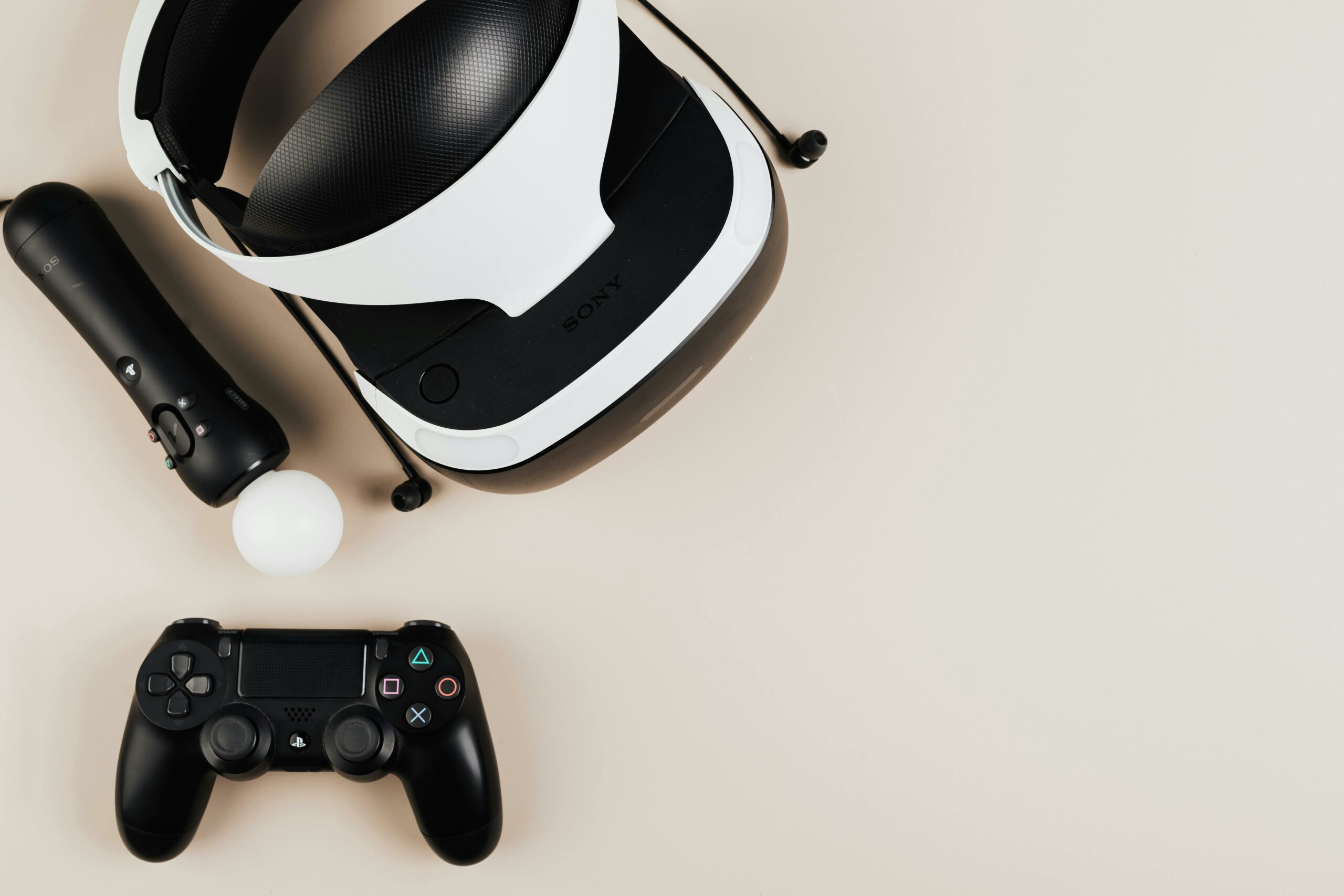
When it comes to virtual reality, Sony has taken the lead with PlayStation VR. Although Sony’s VR headset isn't quite as powerful as certain PC models, it provides console users with an affordable entry point into the world of virtual reality. Boasting an ever-expanding library of games, PlayStation VR continues to draw in fans of new, immersive experiences. Microsoft, meanwhile, has yet to launch a VR headset for Xbox, opting instead to focus on other immersive technologies like cloud gaming.
In terms of storage, both consoles offer solutions to expand memory capacity. Sony allows the addition of compatible internal SSDs, while Microsoft offers Seagate storage expansion cards that easily plug into the back of the console. These options enable players to store more games and downloadable content, addressing the growing demand for storage space in the digital age.
Finally, the accessory ecosystem wouldn't be complete without mentioning online services and subscriptions. Both PlayStation Plus and Xbox Game Pass offer free monthly games and exclusive discounts, but Xbox Game Pass stands out with its access to a vast library of games, including day-one releases. This service enriches the user experience by allowing players to discover new titles at no additional cost.
Ultimately, while PlayStation and Xbox take different approaches to accessories and peripherals, each offers solutions that meet the diverse expectations of players. Whether through technological innovation or personalization, both brands continue to push the boundaries to deliver increasingly captivating gaming experiences. The comparison between PlayStation and Xbox is a recurring debate among video game enthusiasts. Both platforms offer high-quality gaming experiences, but they stand out in several ways. PlayStation, developed by Sony, is frequently praised for its exclusive titles—such as "The Last of Us," "God of War," and "Uncharted"—which attract players with their compelling narratives and innovative gameplay. Furthermore, PlayStation maintains a strong presence in the Asian market, giving it a highly diverse fan base.
On the other hand, Xbox, produced by Microsoft, is renowned for its robust online services, most notably the Xbox Game Pass, which offers access to a massive library of games for a monthly subscription. Xbox is also highly regarded for its seamless integration with Microsoft services and its PC compatibility, making it an attractive option for players who value flexibility and interconnectivity.
In conclusion, the choice between PlayStation and Xbox largely comes down to personal preference. Those who prioritize exclusive games and immersive, narrative-driven experiences might prefer PlayStation, while players who value online services and the broader Microsoft ecosystem may opt for Xbox. Both consoles have their distinct strengths and continue to evolve to meet the expectations of gamers worldwide.