Why Do Open-World Games Remain So Popular?
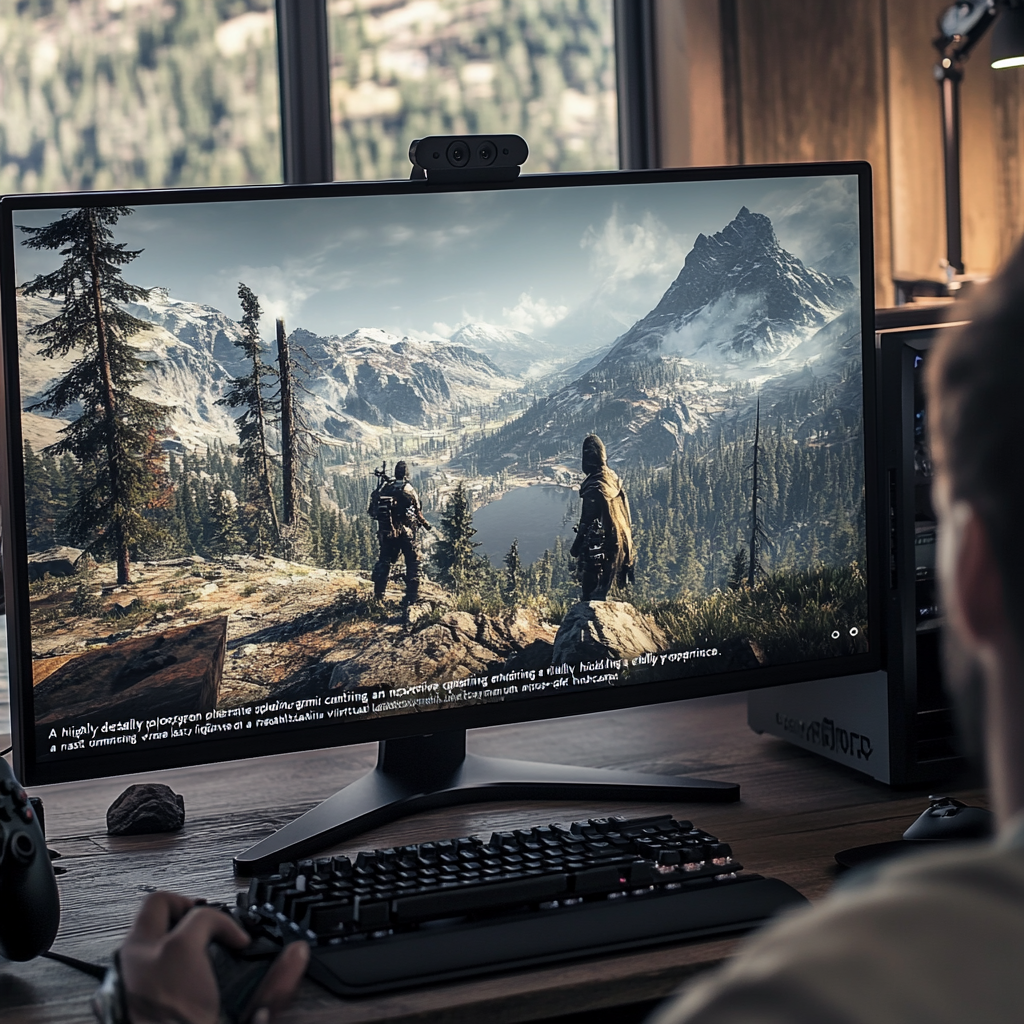
"Explore without limits: the infinite freedom of open worlds awaits."
Open-world games continue to captivate players with their ability to offer unprecedented freedom of exploration and interaction. These titles allow players to immerse themselves in vast, highly detailed universes where they can tackle quests at their own pace, uncover hidden secrets, and engage with dynamic environments. The enduring popularity of these games also lies in their potential to deliver highly personalized experiences, ensuring that each player embarks on an adventure distinctly shaped by their own choices and playstyle. Furthermore, technological advancements have paved the way for increasingly realistic and immersive worlds, continually revitalizing the genre's appeal. By blending freedom, immersion, and innovation, open-world games consistently draw massive audiences, cementing their status as a vital pillar of the video game industry.
The Freedom of Exploration: How Open-World Games Offer Players Unprecedented Liberty
Open-world games continue to spellbind gamers worldwide, and a major driving force behind this popularity is the sheer freedom of exploration they provide. Unlike linear games, where the path forward is strictly predetermined, open-world titles invite players to venture through vast, diverse environments at whatever pace they choose. This exploratory freedom is a defining hallmark of the genre and a primary contributor to its lasting appeal.
One of the most alluring aspects of this freedom is the opportunity to discover rich, varied landscapes and environments. Open-world developers invest massive amounts of time and resources into crafting deeply immersive, intricate worlds. Rather than serving merely as static backdrops, these environments act as interactive playgrounds where every nook and cranny might conceal secrets, side quests, or hidden treasures. This wealth of content encourages players to scour every square inch of the virtual map, turning every gameplay session into a fresh adventure.
Moreover, the freedom to explore empowers players to shape their own gameplay experience. In an open world, players are not forced down a rigid narrative corridor. Instead, they can choose to power through the main storyline, dive deep into side missions, or simply get lost in the scenery for the pure joy of discovery. This autonomy grants players a profound sense of control and agency—something often lacking in heavily linear titles. As a result, every player can enjoy a unique experience, uniquely tailored to their individual choices and preferences.
This exploratory freedom is further heightened by the integration of dynamic systems that react to player actions. For instance, day-night cycles, shifting weather conditions, and living ecosystems add compelling layers of realism and unpredictability. These dynamic elements push players to adapt their strategies and view the world from different perspectives, thereby enriching the overall experience. Additionally, interacting with non-playable characters (NPCs) and various factions can influence the flow of the game, allowing players to watch the tangible consequences of their decisions unfold across the virtual world.
However, the freedom of exploration goes well beyond merely navigating a digital space; it also extends to how players tackle challenges and obstacles. Open-world games frequently offer multiple solutions to any given problem, encouraging players to leverage their creativity and ingenuity to overcome hurdles. This non-linear approach to problem-solving fosters experimentation and out-of-the-box thinking, making every hard-earned victory feel incredibly rewarding.
Ultimately, the unparalleled freedom of exploration provided by open-world games is a defining factor in their enduring popularity. By allowing players to discover rich, varied landscapes at their own pace, shape their own narratives, and engage with highly dynamic systems, these titles deliver unmatched depth and immersion. As gaming technology continues to evolve, open-world games are poised to keep pushing the boundaries of what is possible, guaranteeing they will captivate players for years to come.
Total Immersion: The Art of Crafting Vibrant, Captivating Universes
Total immersion in video games is a concept that has fascinated players for decades, and open-world games stand at the very forefront of this movement. These titles give gamers the chance to lose themselves in sprawling, meticulously detailed universes where every single element feels purposefully designed to elevate the overall experience. The art of creating vibrant, captivating worlds relies on several foundational pillars that come together to form an unforgettable gameplay journey.
First and foremost, the freedom to explore is crucial to the open-world formula. Unlike strict, linear games, these expansive maps let players carve their own paths, explore at their leisure, and unearth hidden secrets. This freedom is frequently amplified by dynamic environments that evolve in response to player actions. Features such as day-night cycles, shifting weather patterns, and nuanced interactions with NPCs all contribute to a world that feels genuinely alive. The ability to directly influence the environment and witness the real-time consequences of one's actions significantly deepens immersion, giving players a profound sense of agency and impact within their surroundings.
Furthermore, environmental storytelling plays an essential role in fostering this immersion. Open-world developers often excel at the subtle art of conveying narratives through the landscape itself. The crumbling ruins of an ancient civilization, a hastily abandoned diary, or a hushed conversation between NPCs can all provide vital clues about the world's lore and its inhabitants. This nuanced approach to storytelling allows players to piece together the history at their own pace, fully absorbing the atmosphere without being constantly interrupted by cutscenes or forced dialogue. Moreover, it actively encourages players to investigate every corner of the map, seeking out the tiny details that deepen their understanding of the game's universe.
Finally, character customization and progression are key elements that solidify player engagement. In many open-world games, players have the power to mold their characters to match their distinct preferences—whether through aesthetic choices, skill trees, or specialized gear. This high degree of customization allows players to forge a stronger bond with their avatars, pulling them even deeper into the game's reality. Additionally, character progression, which is typically tied to completing quests and overcoming challenges, provides a deeply satisfying sense of accomplishment and growth, motivating players to fully invest themselves in the virtual world.
Finally, the richness of social interactions in open-world games cannot be understated. Open worlds often offer opportunities for players to connect with others, whether through interacting with NPCs or playing online with fellow gamers. These interactions bring a social dimension to the gaming experience, allowing players to share their adventures, team up to overcome challenges, or compete to achieve goals. This social aspect enriches the immersive experience by adding an extra layer of realism and depth to the game world.
Ultimately, total immersion in open-world games is the result of a harmonious blend of freeform exploration, environmental storytelling, character customization, and social interaction. When skillfully integrated, these elements create vibrant, captivating universes that continue to fascinate players across the globe. The art of designing such worlds is a testament to the ingenuity and creativity of developers, who constantly push boundaries to deliver increasingly immersive and engaging gaming experiences.
Non-Linear Storytelling: The Impact of Flexible Narratives on Player Engagement
Non-linear storytelling gives players the chance to take ownership of the narrative. By letting them make decisions that affect the course of the game, developers foster a sense of involvement and responsibility. Players are no longer mere passive spectators; they become full-fledged actors within the game's universe. This active interaction with the story strengthens their emotional attachment, as they feel genuinely invested in the consequences of their choices. Consequently, every playthrough becomes a distinct adventure, shaped by the player's individual decisions.
Furthermore, the narrative flexibility of open-world games encourages exploration and discovery. Players are incentivized to stray off the beaten path to uncover side quests, hidden characters, and additional lore. This exploration enriches the gameplay experience by adding layers of depth and complexity to the main plot. As a result, players can immerse themselves in a rich, living world where every corner holds secrets waiting to be unveiled. This exploratory aspect stimulates curiosity and engagement, constantly motivating players to see everything the game world has to offer.
Moreover, non-linear storytelling vastly increases replayability. Players can revisit the game multiple times, making different choices to explore alternate narrative paths. The ability to enjoy varied experiences with every playthrough extends the game's lifespan and maintains long-term player interest. Replayability is a major asset for open-world games, offering significant added value in terms of content and engagement. Players are encouraged to dive back into the game's universe to uncover every possible branching storyline.
Finally, non-linear storytelling fosters a deeper emotional connection with the game's characters and universe. By empowering players to craft their own story, developers create narratives that resonate on a personal level. The choices players make influence not only the plot but also their relationships with in-game characters. This dynamic interaction strengthens emotional bonds and creates memorable moments that leave a lasting impact on the gaming experience.
In summary, non-linear storytelling is a core element driving the enduring popularity of open-world games. By offering players the freedom to choose their own path, these games craft immersive, personalized experiences that capture the imagination. Narrative flexibility encourages exploration, replayability, and a profound emotional connection, ultimately deepening player engagement. In a landscape where interactive stories continue to evolve, open-world games remain an endless source of fascination and wonder for gamers worldwide.
Technological Evolution: How Technical Advancements Enhance the Appeal of Open Worlds
The appeal of open-world games continues to grow, largely driven by the technological advancements that have transformed these virtual universes into captivating, immersive experiences. Over the years, technological progress has enabled developers to push the boundaries of creativity and innovation, providing players with increasingly realistic and interactive worlds. The evolution of graphical capabilities is a key factor behind this heightened appeal. Modern graphics engines can render visually stunning environments complete with striking details and lifelike lighting effects. These graphical enhancements help immerse players in worlds that feel almost tangible, making exploration and discovery all the more rewarding.
At the same time, the increased computing power of consoles and PCs has made it possible to build vaster, more complex worlds. Developers can now design environments that stretch for miles, packed with a multitude of activities and quests to discover. This expansion of virtual worlds grants players unprecedented freedom, allowing them to chart their own course and forge their own adventures. Artificial intelligence has also played a crucial role in elevating open-world games. Non-playable characters (NPCs) have become smarter and more responsive, delivering interactions that feel natural and dynamic. These strides in AI allow players to engage in meaningful dialogue and enjoy unique experiences in every playthrough, further cementing their immersion and engagement.
Innovations in sound and music have similarly contributed to the draw of open worlds. Dynamic soundtracks and realistic audio effects enrich the gameplay experience, creating an atmosphere that shifts in response to the player's actions. This attention to sonic detail heightens immersion and adds an emotional dimension to virtual adventures. Furthermore, the integration of virtual reality (VR) and augmented reality (AR) into open-world games has unlocked new frontiers for immersion. These technologies allow players to dive even deeper into virtual worlds, delivering a fully sensory experience that transcends the boundaries of traditional screens. While still evolving, these technologies represent enormous potential for the future of open-world gaming.
Finally, online connectivity has transformed open-world games into social experiences. Players can now explore these vast universes with friends or gamers from around the globe, adding a collaborative and competitive edge to the experience. This connectivity also allows developers to regularly update games with new content, ensuring that open worlds remain fresh and exciting. Ultimately, technological advancements have significantly boosted the appeal of open-world games by delivering more immersive, interactive, and engaging gameplay. As technology continues to evolve, these virtual worlds are bound to become even more captivating, promising players increasingly rich and diverse adventures.
Community and Sharing: The Role of Social Experiences in the Popularity of Open-World Games
Open-world games continue to captivate players worldwide, and one of the most fascinating aspects of this popularity lies in how they foster social experiences and community sharing. In fact, open worlds provide a virtual playground where social interactions take on a new and rewarding dimension. Gamers don't just experience solo adventures; they share their journeys, collaborate, and build collective memories that transcend the screen.
One reason open-world games are so conducive to social interaction is their very nature, which encourages exploration and discovery. These titles often feature vast, dynamic environments packed with quests, challenges, and hidden secrets. This wealth of content prompts players to swap tips, discuss their finds, and share strategies. Online forums, social media, and streaming platforms thus become gathering places where gamers can connect over their experiences, further strengthening the sense of community.
Furthermore, open-world games frequently incorporate multiplayer features that allow players to connect directly with one another. Whether tackling co-op missions, engaging in friendly competition, or simply exploring the world together, these direct interactions forge stronger bonds between players. In-game shared experiences can lead to lasting friendships, and the memories created together become stories that gamers love to recount and relive.
Open-world developers have also recognized the importance of community and sharing within the gaming experience. They often integrate tools that make it easy for players to create and share their own content. For instance, some games allow players to design their own quests or modify the game environment, which fosters creativity and innovation. These creations can then be shared with the community, enriching the gameplay for everyone. The ability to actively contribute to the game's universe deepens the players' sense of belonging and engagement.
In addition, open-world titles often feature live events or regular updates that unite the community around shared experiences. These events might include special challenges, virtual festivals, or crossover collaborations with other popular franchises. They create unique moments where players from all over the world can gather to celebrate and participate together, cementing the feeling of being part of a global community.
Finally, it is worth noting that open-world games allow players to express themselves freely and connect with like-minded individuals. Whether by customizing their avatars, building their own hideouts, or weaving unique narratives, players can showcase their individuality while still being part of a collective. This duality of personal expression and community belonging is a key reason why open-world games continue to appeal to such a broad and diverse audience.
In conclusion, the enduring popularity of open-world games can be largely attributed to their ability to foster rich and varied social experiences. By providing environments built for collective exploration, integrating multiplayer features, and encouraging player creativity, these games cultivate dynamic, engaged communities. The resulting social interactions extend far beyond the screen, forging lasting bonds between players and deeply enriching their gaming experience. Open-world games continue to captivate audiences thanks to their unprecedented freedom of exploration and interaction. They allow players to immerse themselves in vast, detailed environments where they can forge their own paths, influence the storyline, and dive into a multitude of side activities. This freedom of choice creates a highly personalized and engaging experience that fulfills the modern gamer's craving for autonomy and discovery. Furthermore, technological advancements enable increasingly realistic graphics and complex worlds, further heightening immersion and overall appeal. Ultimately, the lasting popularity of open-world games lies in their ability to deliver rich, diverse, and tailored experiences that capture the imagination and satisfy a fundamental desire for escapism and adventure.