Memories of LAN Parties
# Memories of LAN Parties: From Basement Nostalgia to Modern Esports in Belgium
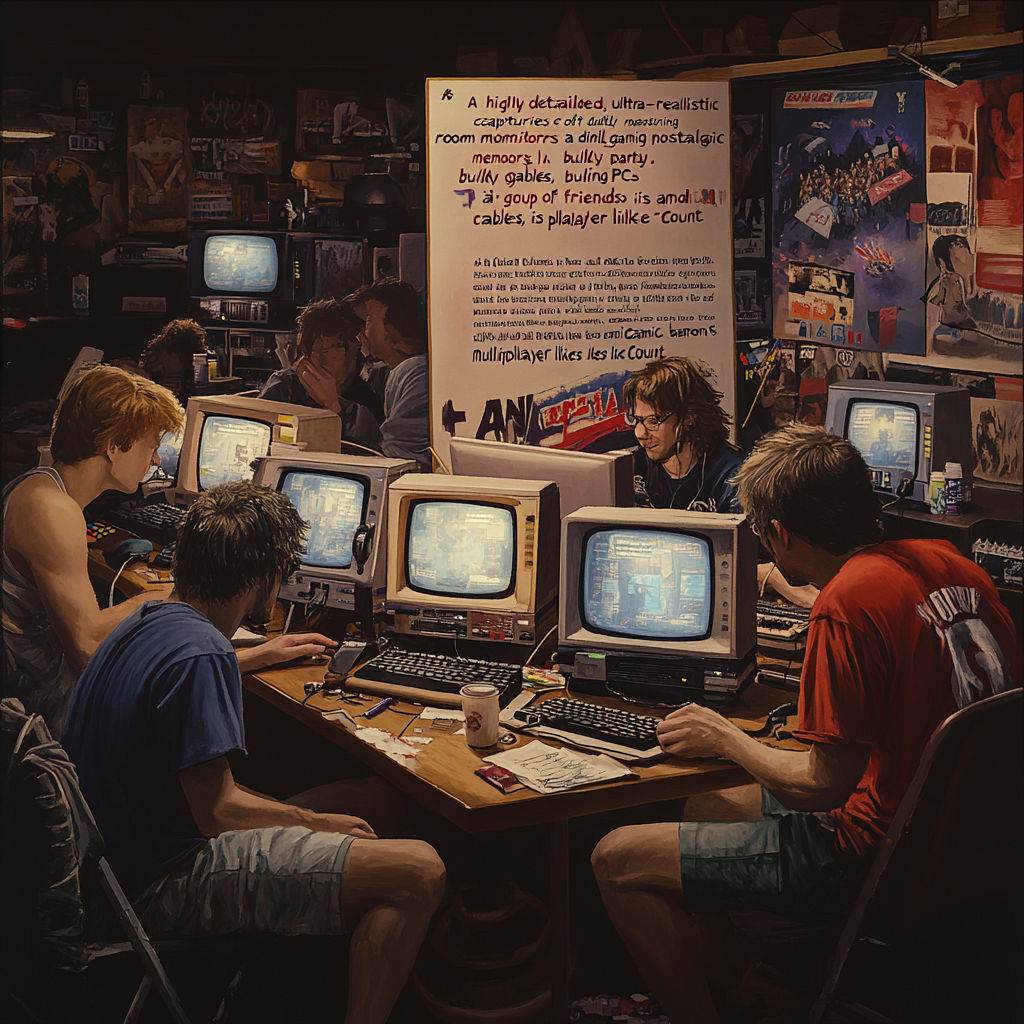
The hum of cooling fans running at full tilt, the stifling heat radiating from dozens of massive CRT monitors, and that indescribable scent of cold pizza mingled with hot electronics. For an entire generation, these sensory details instantly evoke a bygone era: the golden age of all-night computer gatherings.
By definition, a LAN party is an event that brings video game players together to play multiplayer games over a local area network rather than the internet. Before the widespread adoption of broadband, this physical connection was the only way to compete without suffering through unplayable lag.
But beyond mere logistics, these meetups represented a true rite of passage. Gamers gathered in person, lugging heavy PC towers in the trunks of their cars, to share sleepless nights perfecting their strategies.
While the nostalgia for these basement get-togethers remains strong, their history ultimately reveals a major cultural evolution. In Belgium in particular, the practice grew from intimate, underground gatherings into large-scale, structured esports events, laying the groundwork for the competitive gaming industry we know today.
Key Takeaways
Here is what you need to know to understand the evolution of the phenomenon, from its amateur roots to its professionalization:
- A localized practice: According to Wikipedia data, in 2010, amateur LAN parties remained much more common in France than in Belgium, where the scene was split between small gatherings in Wallonia and large-scale events in Flanders.
- The role of LAN-Area: According to the Qu4tre network, this pure-player portal launched in 2003 documented the Belgian scene before suspending its activities in 2010, marking the end of a foundational era.
- The survival of the format: Far from disappearing, the practice has adapted. As reported by RTBF, a recent three-day LAN party in Mons hosted tournaments for League of Legends, Rocket League, and Valorant.
- Economic vitality: Today's major events are backed by professional partnerships, much like CU-LAN 2025, which is supported by specialized gaming hardware stores.
How did LAN parties go from intimate beginnings to global events?
This section traces the evolution of computer gatherings, from an underground hobby to a globally structured discipline.
How were the first improvised networks organized?
In their infancy, these computer meetups were deeply intimate affairs. Hastily organized over a weekend, they took place in converted garages, attics, or rented community halls. A few friends would get together to share their common passion, with everyone lugging their own computer hardware along.
The atmosphere was decidedly convivial and informal. Setting up the local network, often a tedious process, was a prelude to long hours of friendly competition where the only real stakes were bragging rights and the joy of playing together.
When did the shift toward structured events happen?
Over time, the exponential improvement in networking technologies allowed the format to reach unprecedented scales. Organizers quickly seized the opportunity to design more formalized gatherings.
Gymnasiums and large exhibition centers gradually replaced dusty basements. Attendees no longer hesitated to travel across the country to join these massive digital congregations. This transition ushered in an era where logistical rigor became paramount to ensuring tournament stability.
How was esports born?
The simultaneous rise of highly competitive online games transformed these enthusiast gatherings into genuine spectacles. Tournaments became the main attraction, drawing increasingly dedicated players and spectators alike.
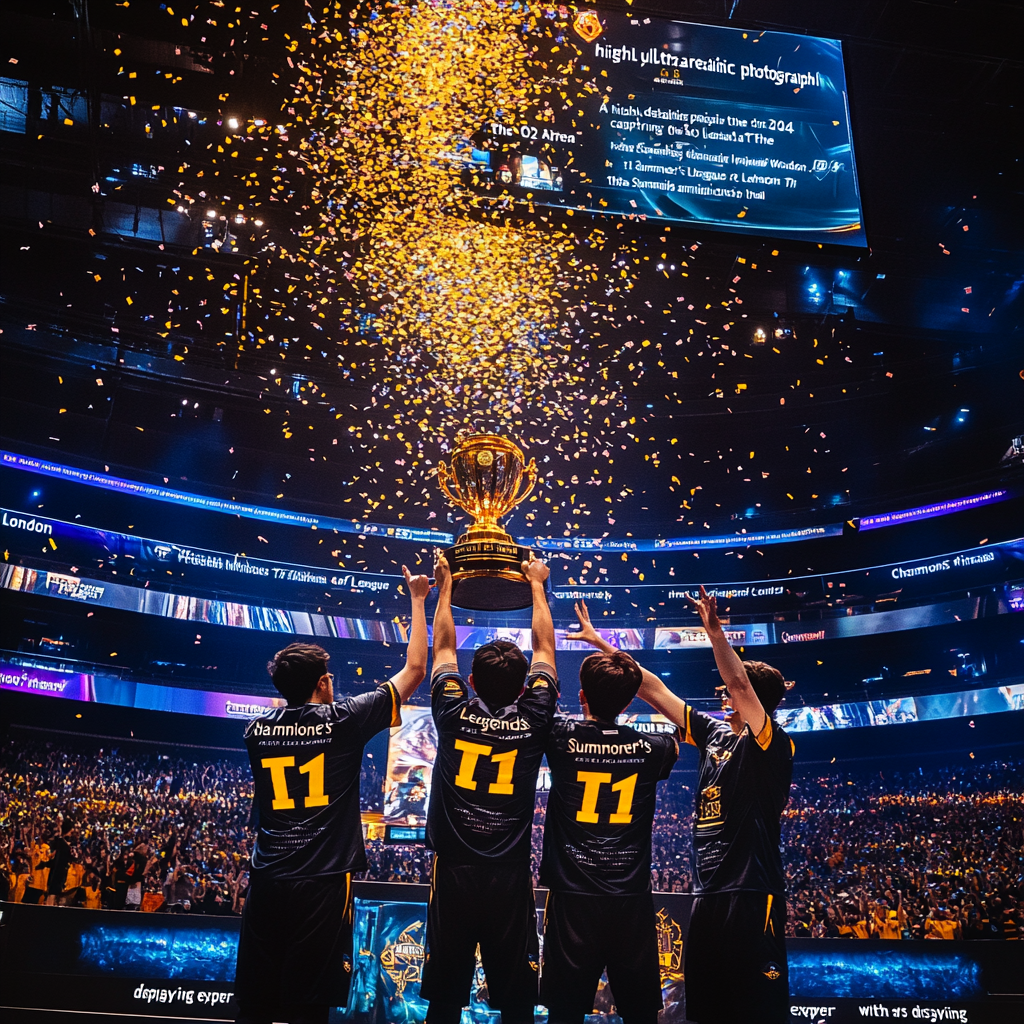
This nascent professionalization brought about live broadcasts and dedicated commentators. This spectacular evolution allowed the discipline to establish itself globally, laying the foundation for modern arenas where tech hardware brands now compete to associate their names with these flagship events of digital culture.
What are the unique traits of LAN parties in Belgium?
LAN parties took on very distinct forms depending on Belgium's specific geographical and linguistic realities.
What was the geographical and cultural divide?
While the phenomenon swept across Europe, its development followed very different trajectories depending on the region. According to Wikipedia, for instance, amateur LAN organization in 2010 was much more widespread in France than in Belgium. The highly interconnected network of French associations made it possible to sustain a dense calendar of regular events.
In Belgium, the dynamic presented a fascinating dichotomy. In French-speaking Belgium, LANs were held in small, tight-knit groups, cultivating an intimate, almost family-like approach. Conversely, larger events were primarily organized in Flanders, where proximity to Dutch and German models fostered the faster emergence of structures capable of hosting hundreds, or even thousands, of enthusiasts in exhibition halls.
What led to the rise and fall of LAN-Area?
To unify this disparate community, bold initiatives began to emerge. According to a Qu4tre report, the most notable of these remains LAN-Area, a pure-player media site launched in 2003. Its founding ambition was clear: to cover all LAN party news across Belgium. The portal quickly became the virtual hub for a highly fragmented physical scene.
However, this grassroots project was intrinsically tied to the youth of its creators. Founded by a group of young gamers, LAN-Area ultimately put the project on hold in 2010.
This hiatus symbolized more than just the end of a website; it illustrated the coming of age of an entire generation of pioneers. The founders, increasingly absorbed by their budding careers and family responsibilities, had to pack up their keyboards. The absolute necessity of traveling to a physical location to play without lag eventually faded, closing the pioneer chapter and ushering in an era of more sedentary entertainment, long before the format would reinvent itself years later.
What games and secret techniques were popular in the 2000s?
LAN party culture relied heavily on specific titles and the mastery of complex gaming mechanics documented by the community.
What were the iconic titles of the decade?
At the heart of these overheated gatherings were the software titles that defined the multiplayer experience. One of the absolute pillars was Counter-Strike. Originally designed as a simple mod for Half-Life, this title set the gold standard for tactical tension between terrorists and counter-terrorist forces.
When it came to strategy, Warcraft III and StarCraft reigned supreme. These sessions demanded unwavering focus to juggle economies and troop movements. For frenetic action, on the other hand, Unreal Tournament delivered wildly fluid firefights in futuristic arenas, where pure reflexes trumped careful planning.
How did players master advanced mechanics?
But the real dividing line at these events wasn't the choice of games. Based on the community's own jargon, there was a clear distinction between casual games played "just for fun" among novices, and highly technical games that demanded absolute mechanical mastery from the regulars.
This complexity often boiled down to exploiting the physics engines' quirks—flaws that evolved into essential high-level skills. Veterans mastered techniques like strafe-jumping (especially in Counter-Strike and Quake), a method of jumping sideways to build up unnatural speed.
Similarly, the dodge (a lightning-fast lateral sidestep) was vital for survival in Unreal Tournament. Meanwhile, the infamous bunny hopping involved chaining jumps together to move across maps faster. Passing down this highly specific jargon and learning these secret movements were the lifeblood of competitive all-nighters, transforming mere amateurs into formidable digital athletes.
How did logistics and esports transform the scene?
The shift from casual gaming among friends to structured tournaments forced organizers to professionalize their equipment and venues.
What are the logistical challenges, past and present?
While the "garage LAN" myth endures, the technical reality of networking dozens of machines has always been complex. Organizing an event requires massive electrical power, miles of cables, meticulous testing of routers and switches, and serious logistical planning for the venue. A single tripped breaker or a failed switch (the all-important network hub) could paralyze a tournament for hours.
| Logistical Factor | The LAN party in 2004 | The esports event in 2024 |
|---|---|---|
| Player hardware | 20kg CRT monitors, noisy tower PCs | Ultra-thin laptops, 144Hz monitors, lightweight peripherals |
| Network infrastructure | Hand-crimped crossover RJ45 cables, temperamental switches | Dedicated fiber optics, secure enterprise routers |
| Games of choice | Counter-Strike 1.6, Warcraft III, Quake III | Valorant, Rocket League, League of Legends |
| Venue | Garages, basements, small community halls | Exhibition halls, auditoriums, university campuses |
Why has the modern hybrid format proven so resilient?
Today, the essence of local multiplayer has survived by adapting to new trends and the demands of modern audiences. That spirit of friendly competition has evolved into fiercely efficient events orchestrated by seasoned committees.
Belgium keeps this tradition alive through modern, well-structured initiatives. Recently, according to the RTBF network, a three-day LAN party in Mons hosted tournaments for League of Legends, Rocket League, and, for the first time, the tactical shooter Valorant. To preserve the practice's original soul, a free-play area was set aside for pick-up games, allowing players to boot up their favorite retro titles between official matches.
This vitality is also evident in the involvement of major economic players. For instance, the highly anticipated CU-LAN 2025 recently announced the renowned gaming retailer Gamegear as a new sponsor. This synergy between grassroots organizations and specialized retailers proves that bringing players together in person still holds strong commercial and crowd-pulling potential—a far cry from the amateurism of the early days.
Frequently Asked Questions (FAQ): The World of LAN Parties
What exactly is a LAN party?
A LAN party is an event where gamers gather to play multiplayer video games over a Local Area Network (LAN) rather than the internet. This guarantees a stable, latency-free connection and fosters direct human interaction among participants sharing the same physical space.
How do you host a successful LAN party at home?
The absolute priorities are electrical safety and logistics. You need to ensure adequate cabling, check your home's electrical capacity (to prevent breakers from tripping with multiple PCs running), and test your network switches beforehand. A well-ventilated room and a steady supply of food (usually quick snacks) are also essential.
Do these kinds of events still take place in Belgium?
Absolutely. While the at-home format has declined with the rise of ultra-high-speed internet, structured events continue to thrive. Gatherings like CU-LAN in Flanders or multi-day student events in Mons prove that Belgian gamers still eagerly embrace this hybrid format, blending nostalgia, esports tournaments, and camaraderie.
Conclusion: The legacy of the Ethernet cable
The history of LAN parties perfectly mirrors the technological evolution of the past two decades. From the chaotic improvisation of early setups in chilly basements to the neon-lit stages of contemporary tournaments, we've come a remarkably long way.
Yet, despite the power of today's remote servers and the immediacy of the internet, the fundamental need to physically come together to celebrate a victory or analyze a defeat remains unchanged. The major events dotting the Belgian gaming calendar today, backed by industry professionals, still carry the DNA of those bygone all-nighters. Ultimately, whether it's mastering the strafe-jump on old CRT monitors or lifting a Valorant trophy, the true magic of a local network will always lie in the lifelong friendships forged at either end of the cable.