Final Fantasy XVII: Full Review
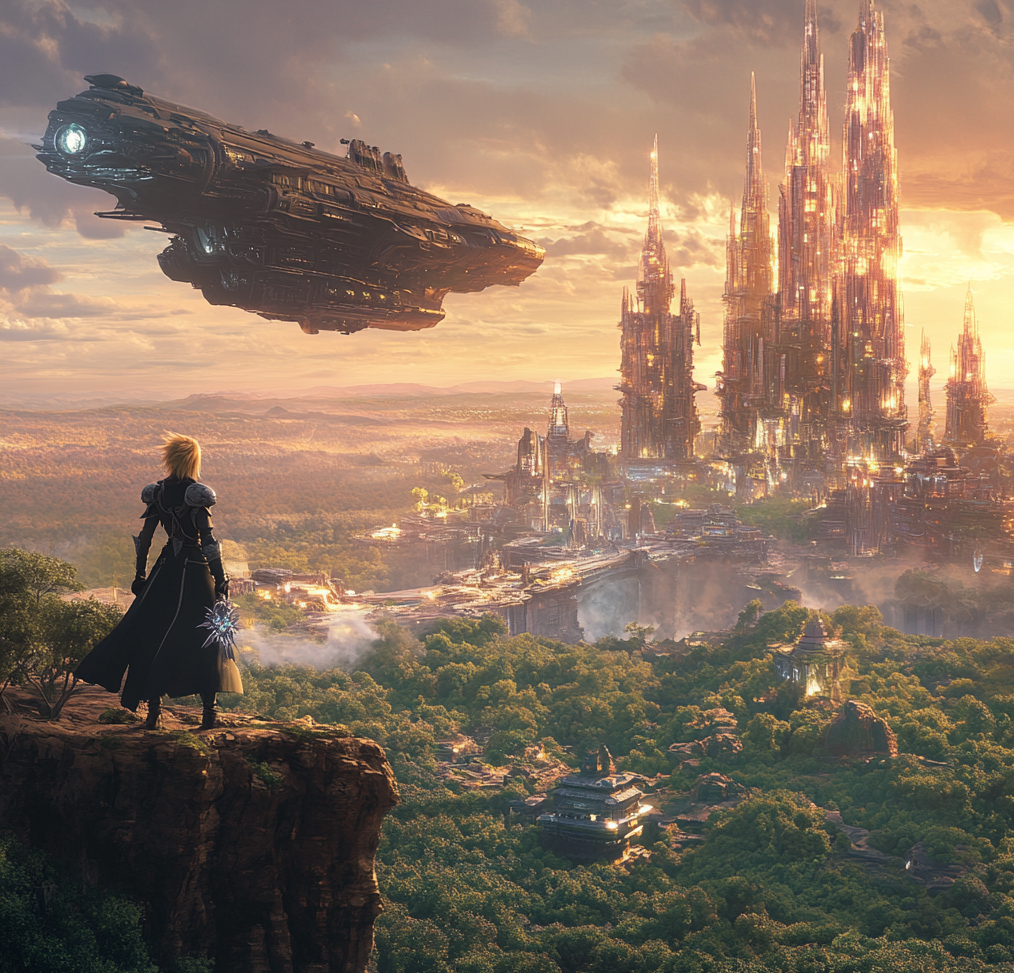
“Immerse yourself in the ultimate epic with Final Fantasy XVII: a limitless adventure.”
Final Fantasy XVII is one of the most anticipated installments in the acclaimed video game franchise developed by Square Enix. This new entry promises to transport players into a rich, immersive universe, blending fantasy and science fiction elements with breathtaking graphics and a captivating narrative. The game introduces fresh characters, an innovative combat system, and a vast open world to explore, all while retaining the core themes and mechanics that made the series so successful. Fans can expect an epic experience that pushes the boundaries of current technology while delivering an unforgettable adventure.
Analyzing the Graphics and Art Direction in Final Fantasy XVII
Final Fantasy XVII, the latest installment in the iconic video game franchise, generated massive hype among fans and critics alike—particularly regarding its graphics and art direction. From the very first minutes of gameplay, it’s clear that the developers placed a special emphasis on visual aesthetics, crafting a world that is as immersive as it is breathtaking. The graphics in Final Fantasy XVII are a true technical tour de force, taking full advantage of modern console hardware. The textures are remarkably sharp, with every detail meticulously rendered, from lush landscapes to the complex architecture of its cities. The lighting effects, in particular, deserve a special mention. They add a depth and atmosphere that enhance player immersion, whether through sunbeams filtering through the canopy or the dancing shadows of flames in a dark cavern.
The art direction in Final Fantasy XVII doesn’t just follow current trends; it redefines them. The game successfully merges classic fantasy elements with futuristic touches, creating a unique and cohesive universe. The characters, complete with detailed costumes and lifelike facial expressions, reflect this bold artistic approach. Each protagonist boasts a distinct visual identity, which helps reinforce their personality and their role in the story. The environments are varied and awe-inspiring, ranging from vast, verdant plains to bustling cities and mysterious dungeons. This visual diversity is backed by a rich, nuanced color palette that shifts depending on the location and time of day, adding yet another layer to the gameplay experience.
Furthermore, the art direction of Final Fantasy XVII is elevated by a masterful soundtrack that perfectly complements the visuals. The musical compositions, scored by renowned artists, accompany every scene flawlessly, amplifying the emotion and intensity of key moments. This harmony between sound and image is one of the game's greatest triumphs, a testament to a comprehensive and cohesive artistic vision. The developers have also woven interactive elements into the scenery, allowing players to intuitively engage with their surroundings. This adds an extra layer of immersion, making the world of Final Fantasy XVII feel vibrant and alive.
However, it is worth noting that despite these triumphs, the game is not completely free of criticism. Some players have expressed reservations about the sheer complexity of certain environments, which can occasionally feel cluttered. This abundance of detail, while visually impressive, can sometimes hinder the readability of the action, especially during intense combat. Nevertheless, these complaints remain minor compared to the overwhelming praise for the game's graphic and artistic quality.
In conclusion, Final Fantasy XVII stands out with its breathtaking graphics and bold art direction. The game succeeds in crafting a rich, immersive visual universe, bolstered by an outstanding soundtrack. While a few tweaks could improve the overall experience, it is undeniable that this installment marks a major milestone in the franchise's evolution. Both long-time fans and newcomers alike will find an unforgettable visual and artistic adventure in Final Fantasy XVII.
Exploring the Innovative Combat System of Final Fantasy XVII
Final Fantasy XVII, the newest entry in the storied video game franchise, has captured the attention of players worldwide thanks to its innovative combat system. This new addition to the series promises to redefine the gameplay experience by introducing mechanics that blend strategy, dynamic action, and immersion. Upon exploring this combat system, it becomes evident that the developers sought to push the boundaries of what fans expect from a role-playing game.
First and foremost, the combat system in Final Fantasy XVII sets itself apart with its hybrid approach, combining real-time action elements with strategic turn-based mechanics. This fusion allows players to enjoy the adrenaline of live battles while retaining the tactical depth the series is famous for. Players can carefully plan their actions while simultaneously reacting to enemy movements on the fly. This duality offers a highly rewarding gameplay experience where every decision matters and can turn the tide of battle.
Furthermore, the game introduces a unique skill system that allows characters to develop special abilities as they level up. These skills, which can be customized and upgraded, add an extra layer of strategy to combat. Players must not only select the abilities that best suit their playstyle, but also adapt them based on the enemies they encounter. This level of customization encourages a thoughtful, strategic approach, prompting players to experiment with different combinations to maximize their effectiveness in battle.
Moreover, enemy artificial intelligence has seen significant improvements, making each encounter more complex and challenging. Foes no longer rely on predictable attack patterns; they adapt to the players' actions, forcing them to stay constantly on their toes. This upgraded AI ensures that every battle feels unique, compelling players to rethink their strategies and adjust to new situations in real time. Ultimately, the combat system in Final Fantasy XVII isn’t just innovative—it’s demanding, heavily rewarding players who take the time to master its intricacies.
Finally, the integration of the environment into combat adds a whole new dimension to the experience. Players can use the terrain to their advantage, leveraging environmental elements for cover or setting ambushes for their enemies. This interaction with the surroundings enriches the gameplay, offering fresh tactical possibilities and deepening the immersion within the game's world. The developers have successfully crafted a universe where every element, no matter how seemingly insignificant, can impact the outcome of a battle.
Ultimately, the combat system in Final Fantasy XVII represents a major leap forward for the RPG genre. By blending real-time action with strategic depth, introducing a highly customizable skill system, upgrading enemy AI, and making environments a factor in skirmishes, the game delivers a rich, deeply immersive combat experience. Players are encouraged to tinker with these new mechanics, hone their strategies, and lose themselves in a world where every battle is a chance to flex their mastery and ingenuity. Final Fantasy XVII doesn't just rest on the laurels of its predecessors; it paves the way for a new era of role-playing games where innovation and creativity take center stage.
Assessing Storytelling and Character Development in Final Fantasy XVII
As the latest installment in the legendary gaming franchise, Final Fantasy XVII carried a heavy weight of expectation, particularly regarding its narrative and character arcs. From the opening hours, it's clear the developers placed a massive premium on narrative depth, striving to deliver an immersive and emotionally gripping experience. The story unfolds in a meticulously detailed world where every element feels purposefully designed to serve the overarching plot. Players are quickly thrust into a high-stakes universe where every decision can trigger massive ripple effects on how the story plays out.
One of the most striking aspects of the storytelling in Final Fantasy XVII is how effortlessly it balances franchise traditions with bold new ideas. Classic tropes—the battle between good and evil, the quest for redemption, the search for one's identity—are all here, but they are explored through fresh, invigorating lenses. The script is exceptionally well-written, offering moments of profound introspection while keeping the narrative pace moving at a brisk clip. The cutscenes are gorgeously directed, further amplifying the emotional gut-punch of the story's most pivotal moments.
Alongside the plot, character development stands out as another major triumph of this new entry. Every protagonist boasts a complex, nuanced personality, making it incredibly easy for players to form genuine attachments to them. Individual character arcs are seamlessly woven into the main storyline, adding impressive layers of depth to the overarching narrative. The relationships between characters are explored with similar care, bringing an emotional weight that significantly enriches the core experience. Party banter is frequently peppered with humor, tension, and genuine camaraderie, perfectly reflecting the diverse mix of personalities and motivations.
Another standout feature is how the game tackles contemporary themes through its cast and storyline. Questions of power, responsibility, and sacrifice are handled with a subtle yet striking touch, prompting players to reflect on real-world issues even as they lose themselves in a fantasy setting. This approach gives Final Fantasy XVII a unique resonance, setting it apart from previous entries in the series.
The narrative pacing is further bolstered by a well-designed questing system that encourages exploration without ever letting you lose sight of the main plot. Far from being mere busywork, the side quests flesh out the game's lore and offer fresh perspectives on both the cast and the unfolding events. They also provide a window into the hidden corners of the overarching plot, offering tangible rewards for curious and observant players.
Ultimately, Final Fantasy XVII pulls off a masterclass in captivating storytelling and exceptional character development. By blending legacy elements with daring innovations, the game delivers a wholly immersive experience sure to hook longtime fans and newcomers alike. The richness of its lore and the depth of its roster make this installment a truly memorable addition to the franchise, promising dozens of hours of emotional investment and thought-provoking gameplay.
How the Soundtrack Elevates the Final Fantasy XVII Experience
A video game's soundtrack plays a vital role in player immersion, and Final Fantasy XVII is certainly no exception. From the very first notes, the score of this latest entry transports players into a rich, sprawling universe where every melody feels tailor-made to elevate the emotional and narrative stakes. The Final Fantasy franchise has long been heralded for its stellar musical compositions, and this newest chapter carries that torch with flying colors.
The soundtrack's impact on the gameplay experience in Final Fantasy XVII can be felt across the board. First and foremost, the score acts as a constant companion throughout the adventure, underscoring key story beats and amplifying the emotional highs and lows. During combat, for instance, the dynamic, driving tracks dial up the adrenaline, while the softer, more melancholic tunes during moments of downtime allow players to forge a deeper connection with the cast and their struggles. This ability to seamlessly adapt the music to whatever unfolds on screen is a testament to the composers' immense talent and their grasp of audio's role in interactive storytelling.
Furthermore, the soundtrack doesn't merely background the action; it actively enriches the game's worldbuilding by giving it a distinct sonic identity. Every region players explore boasts its own unique musical theme, perfectly mirroring its local culture and atmosphere. This meticulous attention to detail helps forge a cohesive, immersive world where the music functions as an essential pillar of the environment itself. Players can easily lose themselves in these soundscapes, with every chord pulling them closer to the very essence of the game.
Moreover, the sheer brilliance of the score lies in its ability to evoke potent memories and emotions. Recurring themes weave throughout the campaign, establishing a musical continuity that strengthens the player's bond with the narrative and the party. These musical motifs—often brilliantly subtle—act as a common thread, allowing players to look back on past triumphs and tragedies while building anticipation for what lies ahead. This deft use of leitmotifs to forge emotional connections is one of the standout traits that separates Final Fantasy XVII from its RPG peers.
Finally, it's worth noting that the Final Fantasy XVII soundtrack is far more than just background noise—it is a standalone work of art. Performed by world-renowned orchestras, the compositions are of jaw-dropping quality and more than hold up to independent listening outside the game. This high-art dimension adds yet another layer of depth to the experience, allowing fans to appreciate the masterful score from an entirely new perspective.
Ultimately, the soundtrack of Final Fantasy XVII plays a foundational role in the overall experience, enriching the universe, heightening immersion, and forging a lasting emotional connection with players. Thanks to a masterful composition and seamless integration into the gameplay, the music elevates the title to new heights, reaffirming the Final Fantasy series' status among the greatest masterpieces in gaming.
Comparing Final Fantasy XVII's Gameplay Mechanics to Its Predecessors
As the latest iteration of the celebrated RPG franchise, Final Fantasy XVII generated sky-high expectations among fans and critics alike. One of the most frequently asked questions is how its gameplay mechanics stack up against previous entries. To truly grasp this evolution, we must examine the core elements that have defined the series over the years, taking a closer look at how this newest installment honors tradition while pushing the envelope.
First and foremost, Final Fantasy XVII retains the essence of the combat systems that made the franchise famous. However, it also introduces significant changes that set it apart from earlier titles. For instance, the real-time combat introduced in Final Fantasy XV has been deeply refined to deliver a much smoother, more dynamic experience. Players can now chain combos seamlessly, making encounters highly engaging and tactical. This evolution marks a stark contrast to the turn-based combat of the series' early days—like Final Fantasy VII and VIII—which heavily favored deliberate planning and strategy.
Furthermore, Final Fantasy XVII features a character progression system that draws inspiration from past games while introducing fresh innovations. The Sphere Grid, famously popularized by Final Fantasy X, has been reimagined to give players greater freedom in shaping their heroes. You can now customize character skills and attributes with remarkable flexibility, allowing for a diverse array of playstyles. It’s an approach reminiscent of the Job system from Final Fantasy V, but modernized to meet the expectations of today’s gamers.
World exploration in Final Fantasy XVII has also undergone notable changes. While Final Fantasy XV introduced a vast but sometimes empty open world, this latest entry successfully balances a massive scale with a much richer density of content. Side quests are woven organically into the main storyline, creating a more cohesive and immersive journey. This approach echoes the more linear yet narratively driven worlds of Final Fantasy XIII, all while preserving the beloved freedom of exploration found in more recent titles.
When it comes to storytelling, Final Fantasy XVII continues to lean into the complex, emotionally charged narratives that are a hallmark of the franchise. Yet, it breaks new ground by incorporating narrative choices that actively influence how the plot unfolds—a feature absent from earlier entries. This inclusion of branching choices is reminiscent of Western RPG mechanics, all while managing to retain the distinct, unmistakable identity of a Final Fantasy game.
In conclusion, Final Fantasy XVII succeeds in honoring the legacy of its predecessors while delivering innovations tailored to the modern gamer. The gameplay mechanics—whether it's the combat system, character progression, or world exploration—demonstrate a thoughtful evolution that respects series traditions while eagerly embracing change. This ability to adapt while staying true to its roots is exactly why Final Fantasy remains an iconic titan of the video game industry. Even though Final Fantasy XVII is purely hypothetical at this point, the mere idea already generates massive anticipation and excitement among fans. Judging by previous installments, we can expect a game that pushes the boundaries of graphics, storytelling, and gameplay. The developers at Square Enix have a well-established reputation for crafting immersive worlds and captivating storylines, and it is highly likely that Final Fantasy XVII will be no exception. Expectations demand an epic soundtrack, richly developed characters, and an innovative combat system. Ultimately, while Final Fantasy XVII may not yet be a reality, the bar is set incredibly high, and fans remain hopeful that it will further enrich the legacy of this legendary franchise.